Welcome to a transformative exploration of Stem Cell Treatment, where regenerative medicine is rewriting the rules of health and healing. Created by wellmations, this eye-opening journey uncovers the secret behind the innovative stem cell technology patch that is changing lives globally. If you’ve ever wondered why chronic diseases keep rising despite decades of medical advances or why some treatments seem to only mask symptoms rather than cure, this comprehensive guide will challenge everything you thought you knew about disease and wellness.

Table of Contents
- Why Stem Cell Treatment Is the Future of Medicine
- The Paradigm Shift: One Disease, Two Causes
- Raymond Francis’s Personal Journey: From Near Death to Health Revolutionary
- The Science Behind Cellular Malfunction
- Understanding the Six Pathways to Optimize Cellular Health
- Why the Cellular Health Model Isn’t Yet Mainstream
- The Promise of Stem Cell Treatment in Restoring Cellular Health
- Taking Charge: Practical Steps to Optimize Your Cellular Health
- Real Stories of Healing and Hope
- Frequently Asked Questions About Stem Cell Treatment and Cellular Health
- Conclusion: Embrace the Future of Healing Through Cellular Health
Why Stem Cell Treatment Is the Future of Medicine
Stem cell technology represents one of the most significant breakthroughs in regenerative medicine of our time. The stem cell patch, a cutting-edge innovation, offers a new way to stimulate tissue regeneration and restore cellular function in ways previously thought impossible. But beyond the technology itself lies a deeper, revolutionary understanding of what disease truly is.
For centuries, medicine has categorized illnesses based on symptoms. Chronic fatigue might be labeled as an autoimmune condition, joint pain as arthritis, and breathing difficulties as COPD. These are seen as separate diseases, each treated with different approaches. Yet, what if all these conditions stem from the exact same root cause?

The Problem With Symptom-Based Medicine
This symptom-focused model is like diagnosing a car that won’t start by renaming the problem according to which dashboard light is flashing, without ever checking the engine. It’s a limited perspective that medical education and practice have followed since the dawn of modern medicine. This approach explains why despite trillions spent on healthcare, chronic diseases like cancer, heart disease, diabetes, and autoimmune disorders continue to rise.
The Paradigm Shift: One Disease, Two Causes
Enter Raymond Francis, an MIT-trained scientist whose personal health crisis led him to develop a groundbreaking theory. Francis proposes a radical idea: there is only one disease — cellular malfunction. This single disease manifests in countless ways, from the common cold to cancer, and has only two causes: deficiency and toxicity.
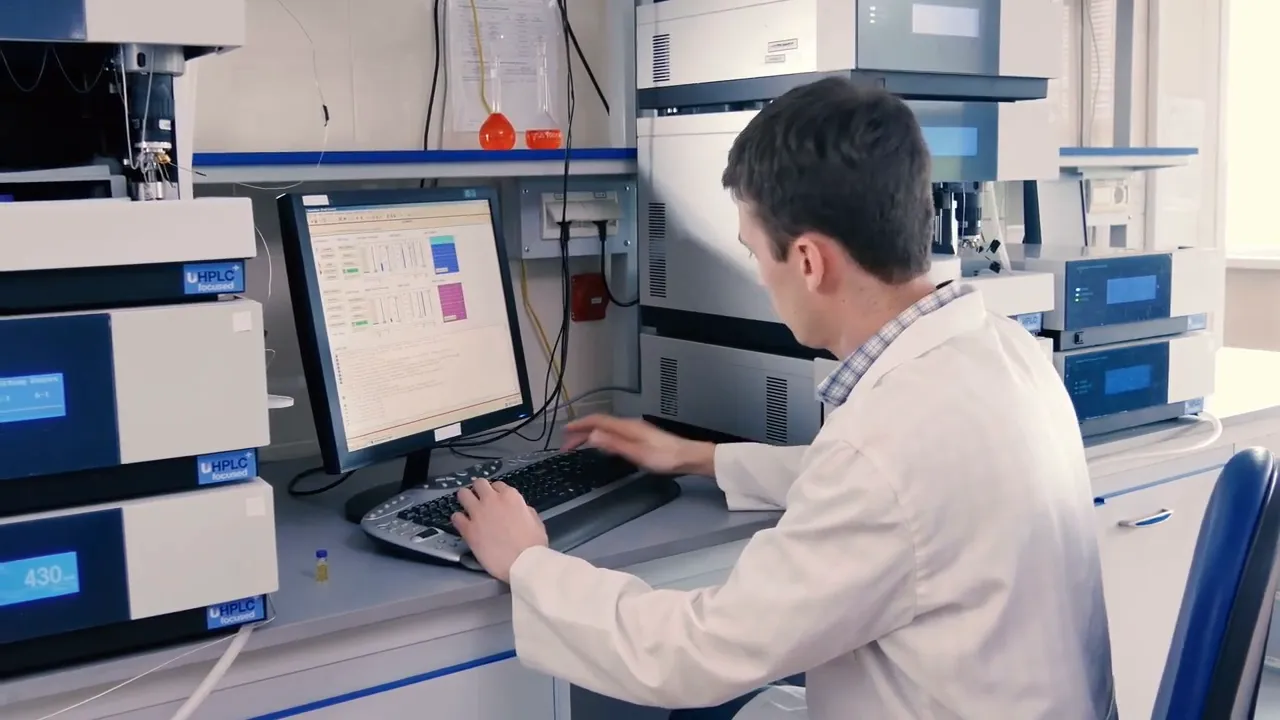
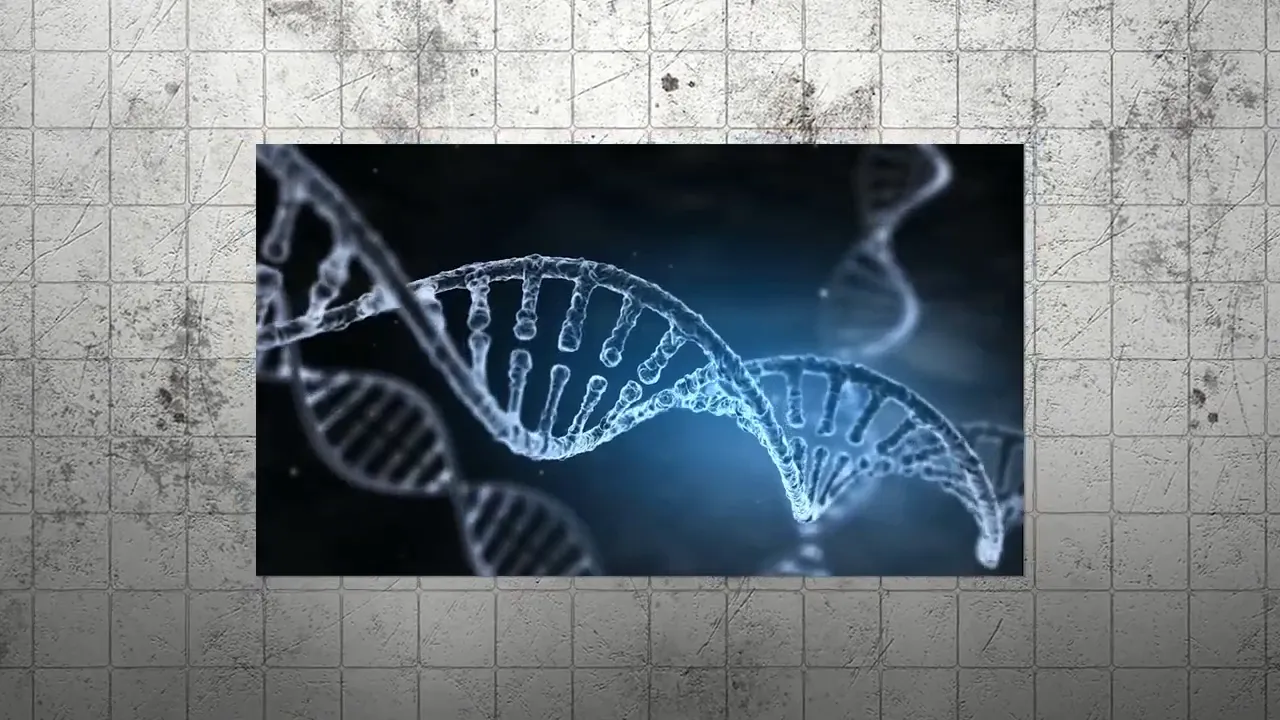
Imagine your body’s trillion cells as musicians in an orchestra. When they perform harmoniously, you experience good health. But when some cells are out of tune due to lack of nutrients or exposure to toxins, the result is disease. This unified theory of disease shifts our focus from isolated symptoms to the health of our cells themselves.
The Six Pathways Determining Cellular Health
Francis identified six critical pathways that influence whether our cells function optimally or deteriorate:
- Nutrition: The essential nutrients our cells require to perform vital functions.
- Toxin Exposure: Harmful substances that disrupt cellular processes.
- Psychological Factors: Stress, trauma, and emotions that affect cellular health via hormones and neurotransmitters.
- Physical Activity: Movement and exercise that support cellular metabolism and repair.
- Genetics: The inherited blueprint that can predispose cells to malfunction.
- Medical Interventions: How medications and treatments can either support or harm cellular function.
Raymond Francis’s Personal Journey: From Near Death to Health Revolutionary
In 1985, at just 48 years old, Raymond Francis was on the brink of death. Despite consulting 30 doctors, his liver was failing, his immune system was collapsing, and conventional medicine had no solutions. One doctor even told him to get his affairs in order. Yet, in the depths of his illness, Francis had a scientific epiphany: disease must have causes, and if so, it must have solutions.
He discovered that prescription medication had damaged his liver and that his cells were malfunctioning due to nutrient deficiencies and toxic overload. Defying medical advice, he left the hospital and began a rigorous program to nourish his cells and eliminate toxins. Within months, his liver function normalized and his energy returned. Six months later, Francis was fully recovered.
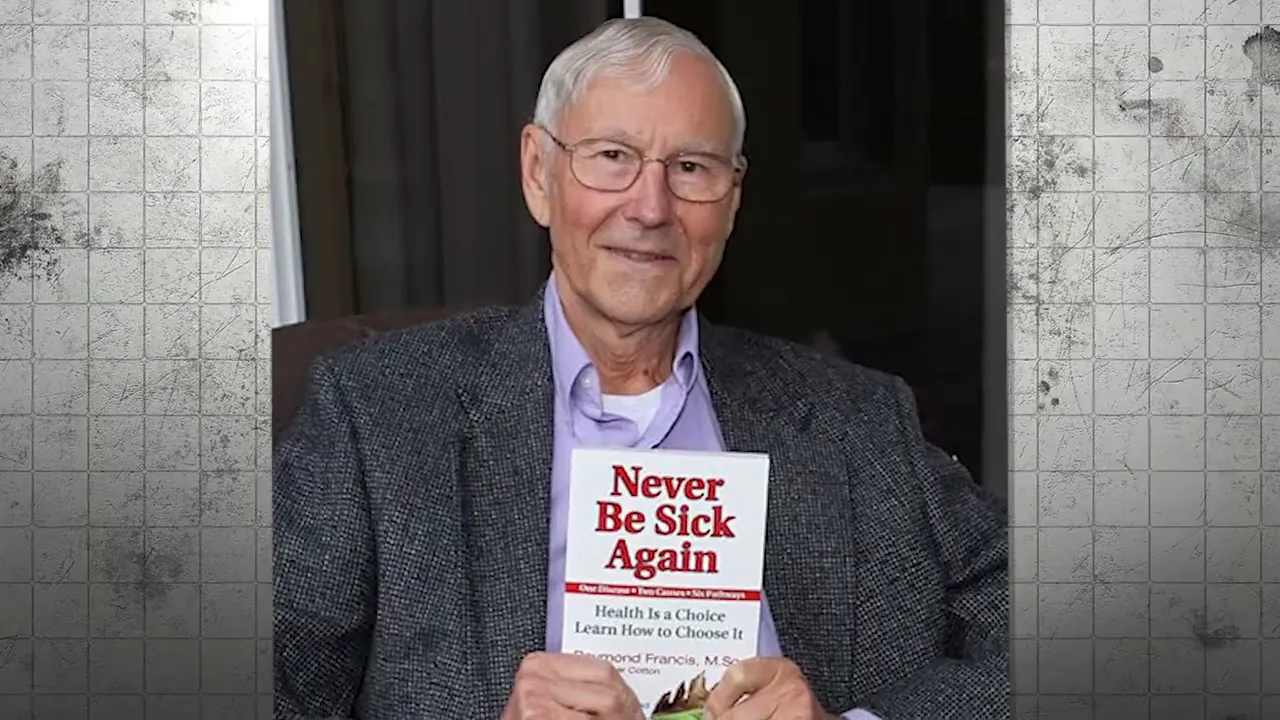
This personal triumph transformed him from a scientist into a health revolutionary, convinced that addressing cellular health could help millions suffering from chronic diseases.
The Science Behind Cellular Malfunction
While Francis’s story is compelling, the science supporting his model is robust and increasingly recognized. It’s a fundamental truth taught in medical schools: disease begins at the cellular level. When cells fail to produce energy, remove waste, repair damage, or communicate properly, the body’s systems falter.
Cellular Malfunction and the Immune System
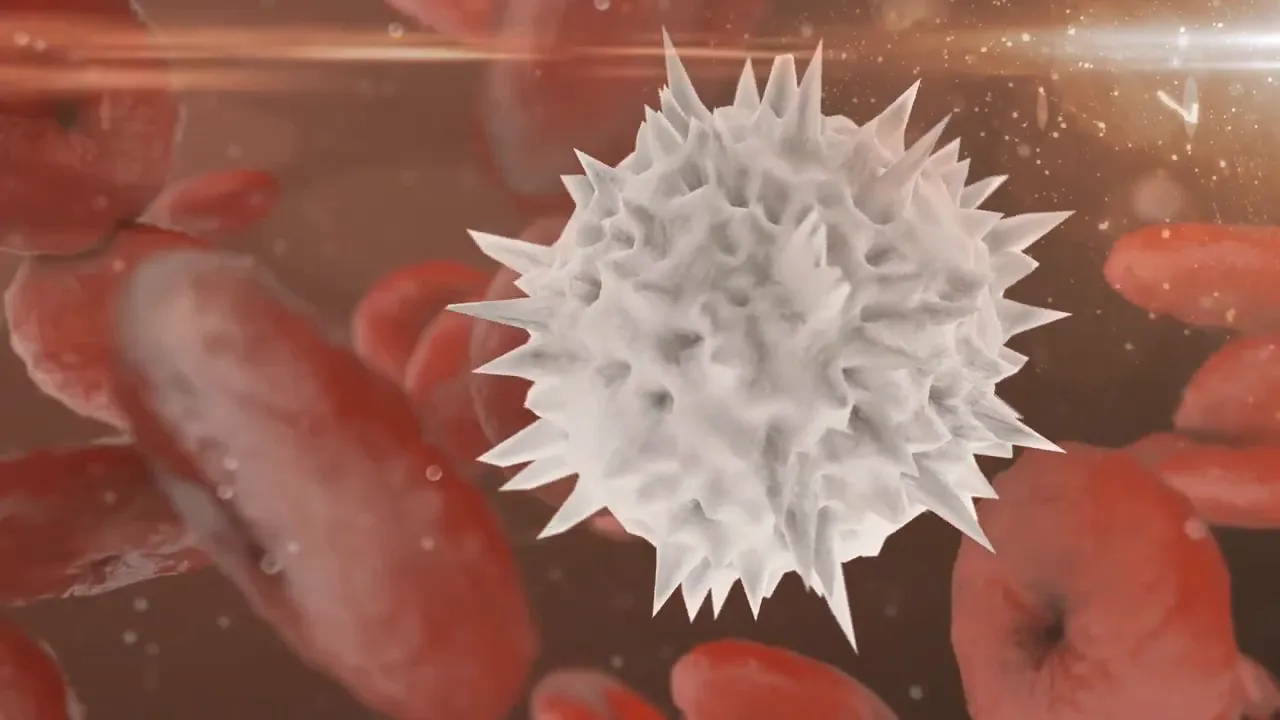
The immune system exemplifies this perfectly. It’s a complex network of cells designed to defend the body. When these cells malfunction due to toxicity or deficiency, the immune response can become too weak (leading to infections) or too aggressive (resulting in autoimmune diseases). Allergies, for example, arise when immune cells overreact to harmless substances like pollen or food proteins — a direct result of cellular malfunction in immune cells.
Deficiency and Toxicity: Root Causes of Disease
Deficiencies in essential nutrients like vitamin C, niacin, and vitamin D are well-documented causes of diseases such as scurvy, pellagra, and rickets. More subtle deficiencies contribute to chronic illnesses including heart disease, diabetes, and cancer.
Toxicity is equally significant. Environmental toxins such as heavy metals, pesticides, and air pollution disrupt cellular function. Even medications intended to heal can sometimes cause cellular harm, as Francis experienced firsthand.
Emerging research highlights the dangers of endocrine-disrupting chemicals found in plastics, cosmetics, and cleaning products. These chemicals interfere with hormone signaling and cellular communication, contributing to fertility problems, neurological disorders, and more — all through their impact on cellular health.
Understanding the Six Pathways to Optimize Cellular Health
Let’s dive deeper into the six pathways Francis identified, which are essential for optimizing cellular function and preventing disease.
1. Nutrition
Cells require a constant supply of nutrients to function. Micronutrient deficiencies can impair energy production, detoxification, and repair mechanisms. A nutrient-rich diet tailored to individual needs is fundamental to cellular health.
2. Toxin Exposure
Reducing exposure to environmental pollutants and chemicals is vital. Detoxification strategies and avoiding harmful substances help restore cellular balance.
3. Psychological Factors
Chronic stress and unresolved trauma trigger hormonal imbalances and inflammatory responses at the cellular level. Advances in psychoneuroimmunology reveal how mind-body connections influence disease pathways, emphasizing the need for stress management and emotional healing.
4. Physical Activity
Regular exercise enhances cellular metabolism, improves circulation, and supports immune function. Sedentary lifestyles contribute to cellular decline and chronic disease.
5. Genetics
While genetics set the stage, they do not dictate destiny. Environmental and lifestyle factors influence gene expression through epigenetics, offering opportunities to modify disease risk.
6. Medical Interventions
Medications and treatments can be double-edged swords. While life-saving in emergencies, some drugs may harm cellular function or mask underlying problems. Integrative approaches that support cellular health alongside conventional care are ideal.

Why the Cellular Health Model Isn’t Yet Mainstream
Despite its promise, the cellular malfunction model faces significant barriers to widespread acceptance:
- Medical Education: Nutrition and prevention receive minimal attention, while symptom treatment dominates curricula.
- Pharmaceutical Influence: The industry funds much research and education but has little incentive to promote approaches that reduce medication reliance.
- Paradigm Resistance: Medical paradigms change slowly. It took decades for the bacterial cause of ulcers to be accepted, illustrating how entrenched beliefs hinder progress.
Dr. Robert Lufkin of UCLA highlights these issues in his book Lies I Taught in Medical School, noting that eight of the top ten causes of death in the U.S. are linked to metabolic syndrome — a condition rooted in cellular dysfunction.
The Promise of Stem Cell Treatment in Restoring Cellular Health
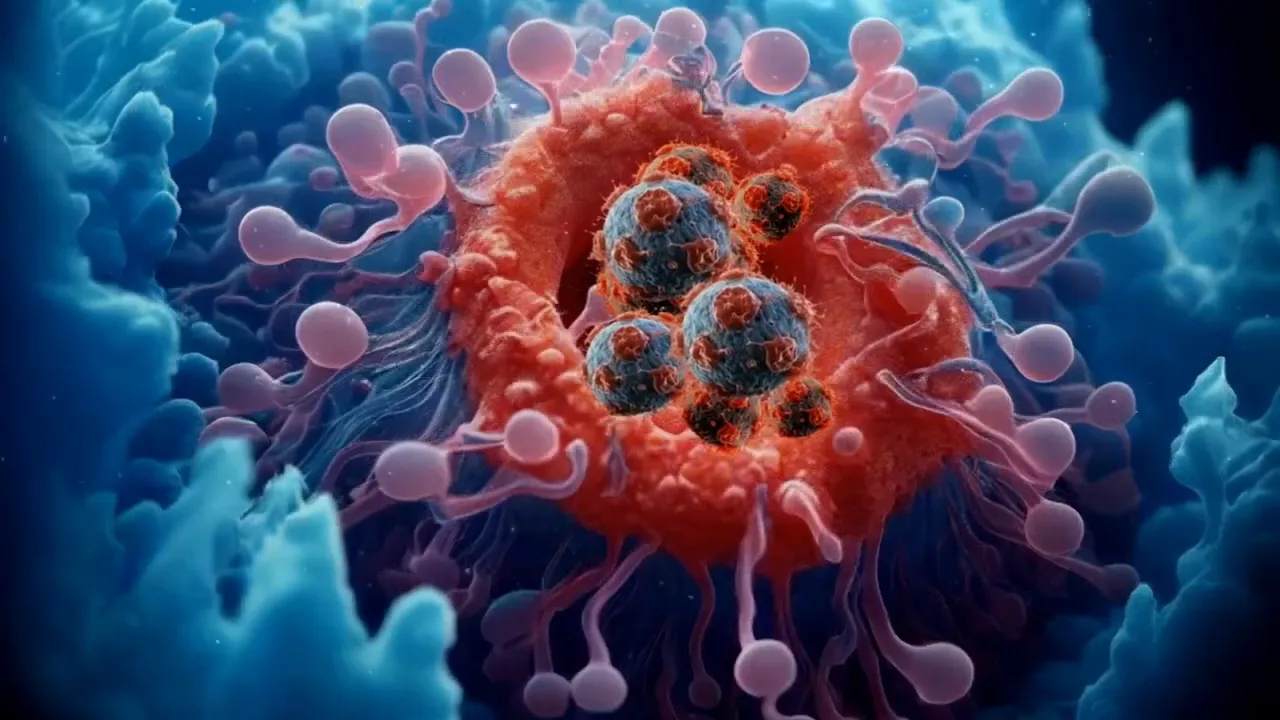
Stem cell technology, particularly the revolutionary stem cell patch, is a game-changer for regenerative medicine. By directly supporting cellular repair and regeneration, these therapies address the root cause of disease — cellular malfunction — rather than merely alleviating symptoms.
This innovative patch offers a non-invasive, accessible method to harness the body’s innate healing powers. It stimulates tissue regeneration and enhances cellular function, offering hope for conditions once considered irreversible.
What This Means for Chronic Disease
Chronic conditions like heart disease, cancer, diabetes, and autoimmune diseases may all be manifestations of cellular malfunction. Stem cell treatment targets these root causes, potentially reversing disease progression and restoring health.
For example, in cancer, metabolic dysfunction drives tumor growth beyond genetic mutations alone. Conventional treatments sometimes exacerbate cellular problems, but regenerative approaches aim to restore healthy cellular metabolism.
Autoimmune Conditions and Cellular Health
Autoimmune diseases arise when the immune system attacks the body’s own tissues, often triggered by gut permeability, nutritional deficiencies, and environmental toxins. Stem cell therapy and cellular optimization can help recalibrate immune function and reduce inflammation.
Taking Charge: Practical Steps to Optimize Your Cellular Health
The journey to better health starts with understanding and nurturing your cells. Here are actionable strategies based on the six pathways:
- Improve Nutrition: Consume a balanced diet rich in vitamins, minerals, antioxidants, and essential fatty acids tailored to your needs.
- Reduce Toxin Exposure: Avoid processed foods, plastics, and harmful chemicals. Support your body’s detoxification through hydration and natural cleansing methods.
- Manage Stress: Incorporate mindfulness, meditation, therapy, or activities that promote emotional wellbeing.
- Stay Physically Active: Engage in regular exercise suited to your abilities to boost cellular metabolism.
- Understand Your Genetics: Use genetic insights as guides for personalized health plans, focusing on modifiable factors.
- Be Mindful of Medical Interventions: Work with healthcare providers who prioritize integrative approaches that support cellular health.
Real Stories of Healing and Hope
Countless individuals have applied these principles and experienced remarkable recoveries where conventional medicine offered no answers. These stories underscore the power of addressing the one disease — cellular malfunction — at its root.
The body’s capacity for self-healing is profound when given the right conditions. Stem Cell Treatment and cellular health optimization offer a new lens through which to view and conquer chronic disease.
Frequently Asked Questions About Stem Cell Treatment and Cellular Health
What exactly is cellular malfunction?
Cellular malfunction occurs when cells fail to perform their essential functions such as producing energy, removing waste, repairing damage, or communicating with other cells. This dysfunction underlies all diseases.
How do deficiency and toxicity cause disease?
Deficiency means cells lack essential nutrients needed for their function, while toxicity refers to harmful substances that impair cellular processes. Both disrupt cell health and lead to disease.
Can stem cell therapy reverse chronic diseases?
Stem cell therapy aims to regenerate damaged tissues and restore cellular function, offering potential to reverse or improve many chronic conditions by addressing their root cause.
Is this approach accepted by mainstream medicine?
While growing evidence supports cellular health models and regenerative therapies, mainstream medicine still largely focuses on symptom treatment due to educational, financial, and systemic barriers.
How can I start improving my cellular health today?
Begin by optimizing nutrition, reducing toxin exposure, managing stress, staying active, understanding your genetics, and consulting healthcare providers who support integrative care.
What is the stem cell patch and how does it work?
The stem cell patch is an innovative, non-invasive technology that delivers stem cell-based regenerative therapy directly to the body, stimulating tissue repair and improving cellular function.
Conclusion: Embrace the Future of Healing Through Cellular Health
The revolutionary insight that there is only one disease — cellular malfunction — caused by deficiency and toxicity, opens a new frontier in medicine. Stem Cell Treatment, especially through cutting-edge technologies like the stem cell patch, offers hope for millions suffering from chronic illness.
Raymond Francis’s journey from near death to vibrant health exemplifies the power of this approach. By nourishing the cells and eliminating harmful factors, remarkable healing is possible.
While the medical system continues to evolve, you can take the first step today by understanding your health through the lens of cellular function and embracing practical strategies to support your body’s innate healing abilities.
If you want to dive deeper into how Stem Cell Treatment can help you overcome health and wellness challenges, request our free Ebook that reveals detailed insights and actionable steps to optimize your cellular health and unlock your body’s true healing potential.
Join the growing community of people reclaiming their health by addressing the root causes of disease. Your body is capable of extraordinary recovery — all it needs is the right environment to thrive.
Stem Cell Therapy Technology
Reboot Your Health with Stem Cell Technology.
Experience the transformative benefits of stem cell activation.
Request our Free Ebook to learn more about Stem Cell Technology and how it can change your life and the lives of your loved ones for the Better no matter what your current health and wellness challenge is.
This article was created from the video Stem Cell Therapy – The Secret Behind the Stem Cell Patch Everyone Is Talking About! with the help of my AI Assistant.