Hair loss is more than just a cosmetic concern—it’s often a visible warning sign of deeper cellular dysfunction occurring within your body. If you’ve been battling thinning hair despite trying countless treatments and supplements, you might be missing the fundamental root cause. In this comprehensive guide, we’ll uncover the surprising foods that could be silently sabotaging your hair growth, reveal the essential nutrients your hair follicles crave, and introduce a revolutionary Stem Cell Treatment approach that is helping thousands over 50 regrow thicker, healthier hair naturally—without expensive or risky interventions.
This article is inspired by the insightful research and practical advice from wellness experts who have studied the cellular foundations of hair health. By the end, you’ll have a clear roadmap to nourish your hair from the inside out, supported by cutting-edge stem cell science and nutritional wisdom.

Table of Contents
- Understanding Hair Loss: More Than Just a Surface Issue
- The Cellular Science Behind Hair Growth: Key Nutrients and Amino Acids
- The Five Foods Secretly Blocking Your Hair Regeneration
- The Three Power Foods That Nourish Your Hair Follicles
- Why a Cellular Regeneration Approach Is Revolutionary
- A Practical 90-Day Plan to Regrow Thicker Hair
- Additional Benefits Beyond Hair
- Frequently Asked Questions (FAQ)
- Key Takeaways for Thriving Hair Health
- Discover More About Hair Health and Stem Cell Treatment
Understanding Hair Loss: More Than Just a Surface Issue
Many people think hair loss is simply a matter of genetics or external damage, but the truth is far more complex. Hair loss is often one of the earliest visible signs that your body’s cells are not functioning optimally. Your body prioritizes vital functions like brain activity, heart health, and immune response over hair growth, which it deems non-essential for survival.
When cellular health declines—due to nutrient deficiencies, toxins, or hormonal imbalances—your body conserves energy by diverting resources away from hair follicles. This is why many conventional hair loss treatments that focus only on topical solutions or isolated nutrients can fail—they treat the symptom rather than the root cause.
By the time you notice thinning hair, the cellular dysfunction affecting your follicles has likely been developing for months or even years. Hair follicles are incredibly complex mini organs that require optimal cellular function to produce strong, healthy hair. When cells malfunction, hair quality and quantity suffer.
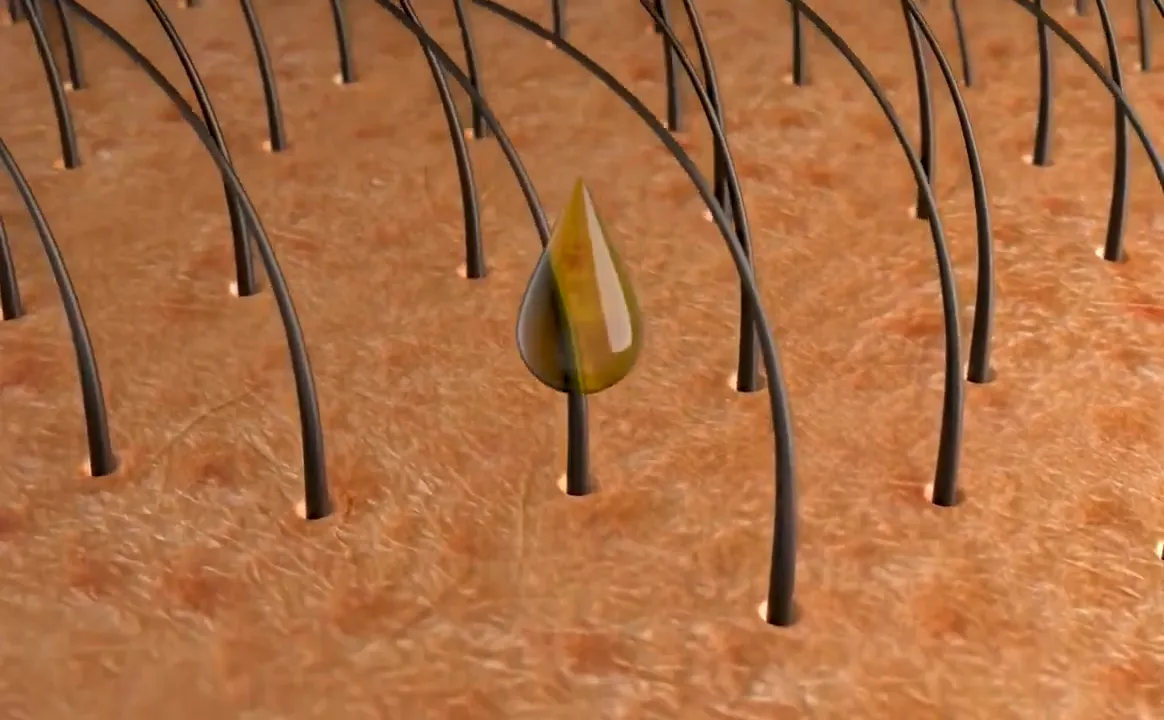
The Cellular Science Behind Hair Growth: Key Nutrients and Amino Acids
Hair is primarily composed of keratin, a protein that requires specific amino acids and co-factors to be synthesized effectively. Simply increasing your protein intake isn’t enough. Recent scientific discoveries highlight the critical roles of specific amino acids like histidine and leucine in hair regeneration.
- Histidine: Over 90% of people with alopecia have been found deficient in histidine, an amino acid precursor to histamine, which plays a vital role in immune response and tissue healing. Without adequate histidine and its co-factors, your body struggles to build keratin properly, leading to weaker, brittle hair.
- Leucine: This amino acid stimulates collagen production in hair follicles, enhancing hair strength and elasticity. Leucine also aids iron absorption—a mineral often deficient in those experiencing hair loss.
However, histidine and leucine don’t work alone. They depend on specific co-actors like vitamin B6, the correct copper-to-zinc ratio, and natural folate (not synthetic folic acid) to function optimally. Without these, even a protein-rich diet may not translate into healthy hair growth.

The Five Foods Secretly Blocking Your Hair Regeneration
Based on the cellular health framework and scientific research, certain common foods can actually hinder your hair’s natural regeneration process. Avoiding these five can make a profound difference in your hair health:
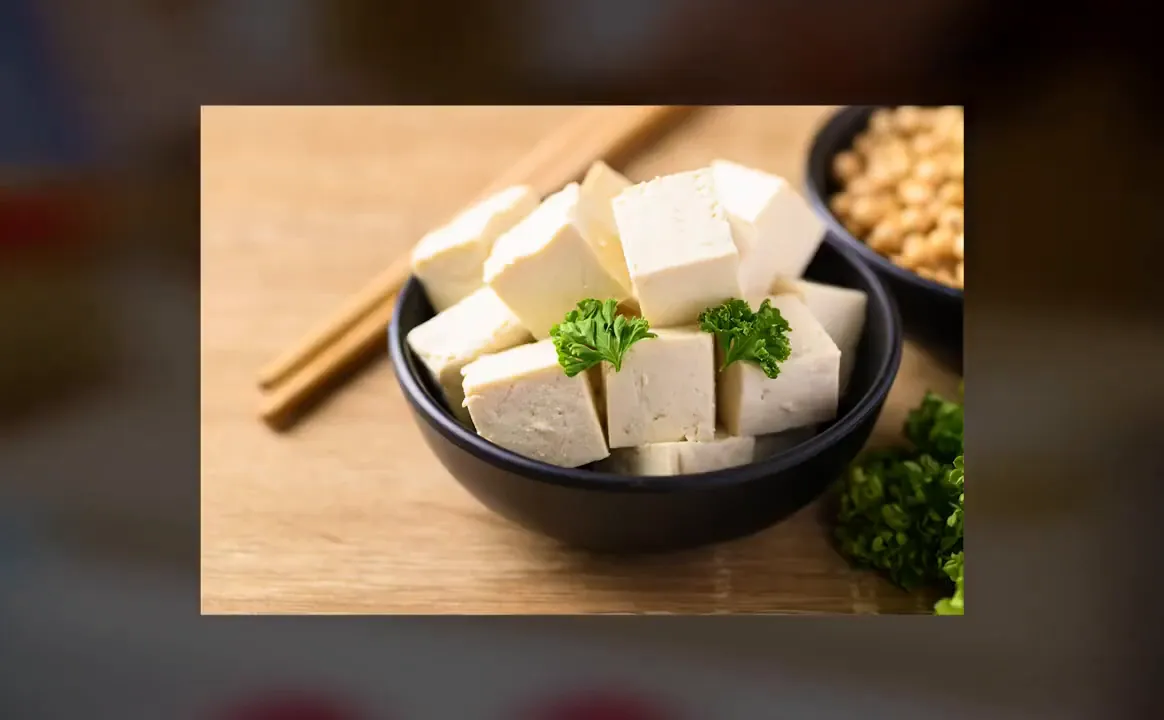
1. Unfermented Soy Products
Despite being widely promoted as healthy, unfermented soy products—including soy milk, tofu, and soy protein isolates—can be a hidden culprit behind hair loss. Here’s why:
- Phytoestrogens: Soy contains isoflavones, which mimic estrogen and can disrupt your hormonal balance, accelerating hair thinning, especially in men and women over 50.
- Enzyme Inhibitors: These block digestive enzymes needed to break down proteins, preventing absorption of critical amino acids like histidine and leucine.
- Phytic Acid: This binds to minerals such as zinc, iron, and calcium, reducing their absorption. Zinc, in particular, is essential for histidine function.
- Goitrogens: Compounds that interfere with thyroid function, a common underlying cause of hair loss, especially in women over 50.
Unfortunately, soy is often hidden in processed foods ranging from protein bars to meat alternatives, making it easy to consume unknowingly. Traditional Asian diets typically consume fermented soy products like tempeh, natto, and miso, which neutralize many harmful compounds. The modern Western diet’s reliance on unfermented soy is problematic for hair health.
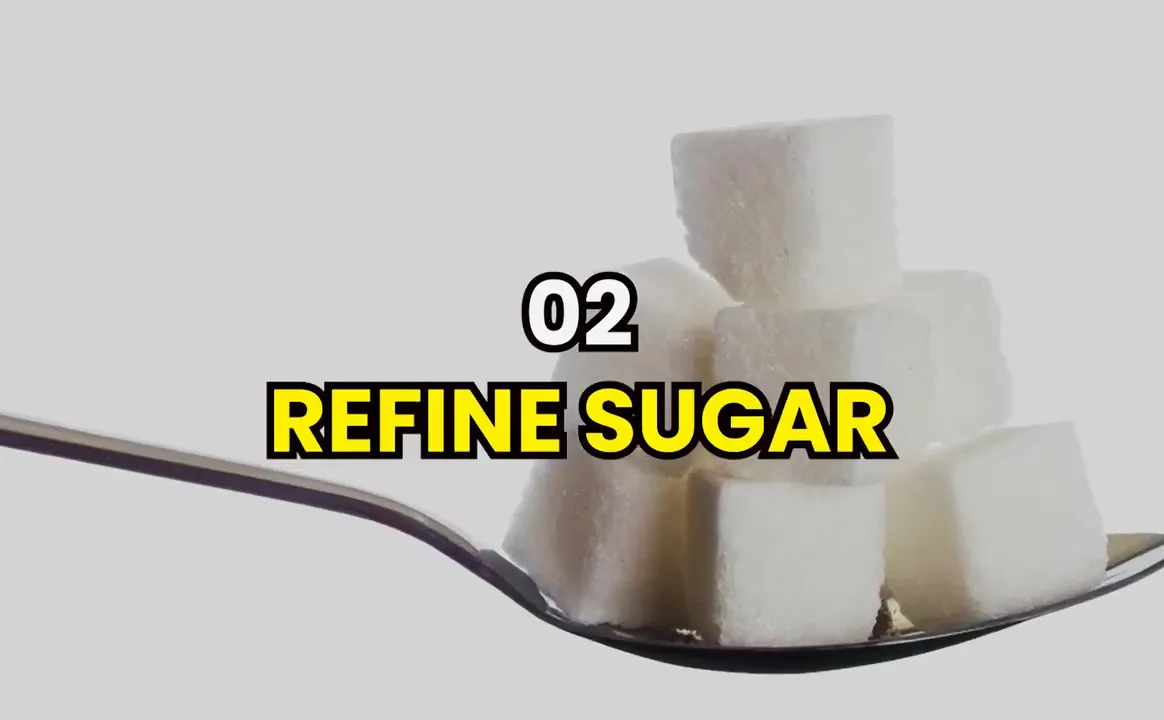
2. Refined Sugar
Refined sugar is ubiquitous in modern diets and a major enemy of healthy hair. Excess sugar intake:
- Damages collagen, the protein that gives hair its structure and strength.
- Causes chronic inflammation throughout the body and scalp, weakening hair follicles.
- Spikes insulin levels, disrupting hormone balance and increasing the risk of hair thinning.
- Contributes to insulin resistance, linked to hair loss conditions like androgenic alopecia.
To support your hair, reduce refined sugars and opt for natural sweeteners like berries or small amounts of raw honey.
3. Alcohol
Alcohol consumption depletes essential nutrients—especially B vitamins, zinc, and iron—that are critical for hair growth. It also dehydrates the scalp, making hair brittle and prone to breakage. Chronic alcohol use can impair liver function, further reducing your body’s ability to detoxify and absorb nutrients.
If you want to protect your hair, limit alcohol intake or avoid it altogether.

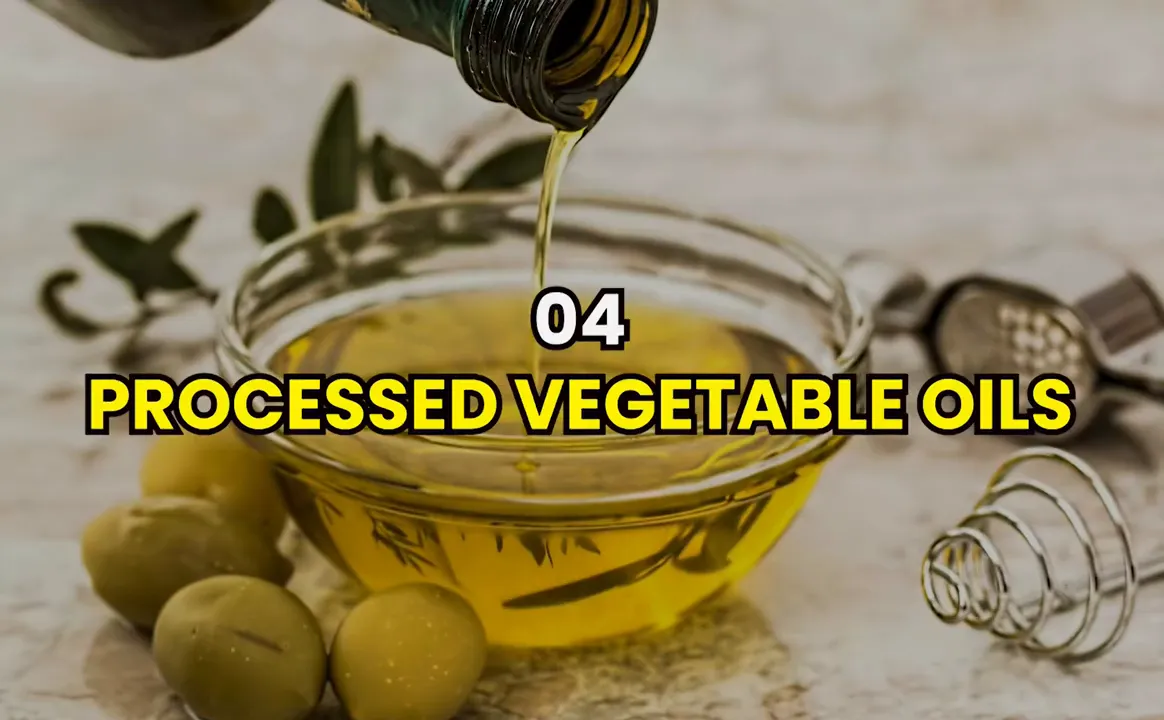
4. Processed Vegetable Oils
Oils like soybean, corn, canola, and sunflower oil are high in omega-6 fatty acids, which promote inflammation when consumed in excess. Chronic inflammation damages hair follicles and disrupts the natural hair growth cycle.
These oils are common in processed, fried foods and many salad dressings. Instead, choose anti-inflammatory, nutrient-dense fats like extra virgin olive oil, avocado oil, or coconut oil to support cellular health.
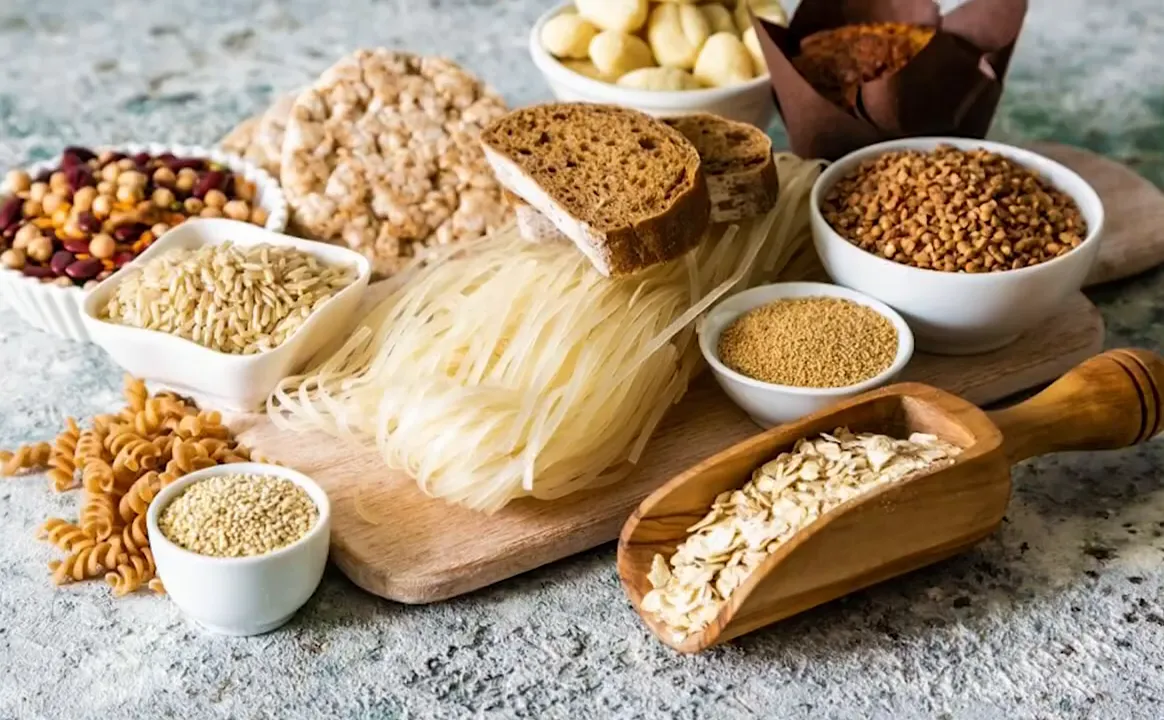
5. Gluten-Containing Foods
Gluten from wheat, barley, and rye can trigger inflammation and immune reactions affecting the scalp and hair follicles, even in people without diagnosed celiac disease. Gluten can increase intestinal permeability (“leaky gut”), allowing toxins to enter the bloodstream and cause systemic inflammation, including in the scalp.
If you suspect gluten sensitivity, try eliminating gluten for a few weeks and observe any improvements in hair health.
The Three Power Foods That Nourish Your Hair Follicles
Now that we know what to avoid, let’s focus on the most powerful foods to support hair regeneration, backed by the latest scientific research and cellular health principles.
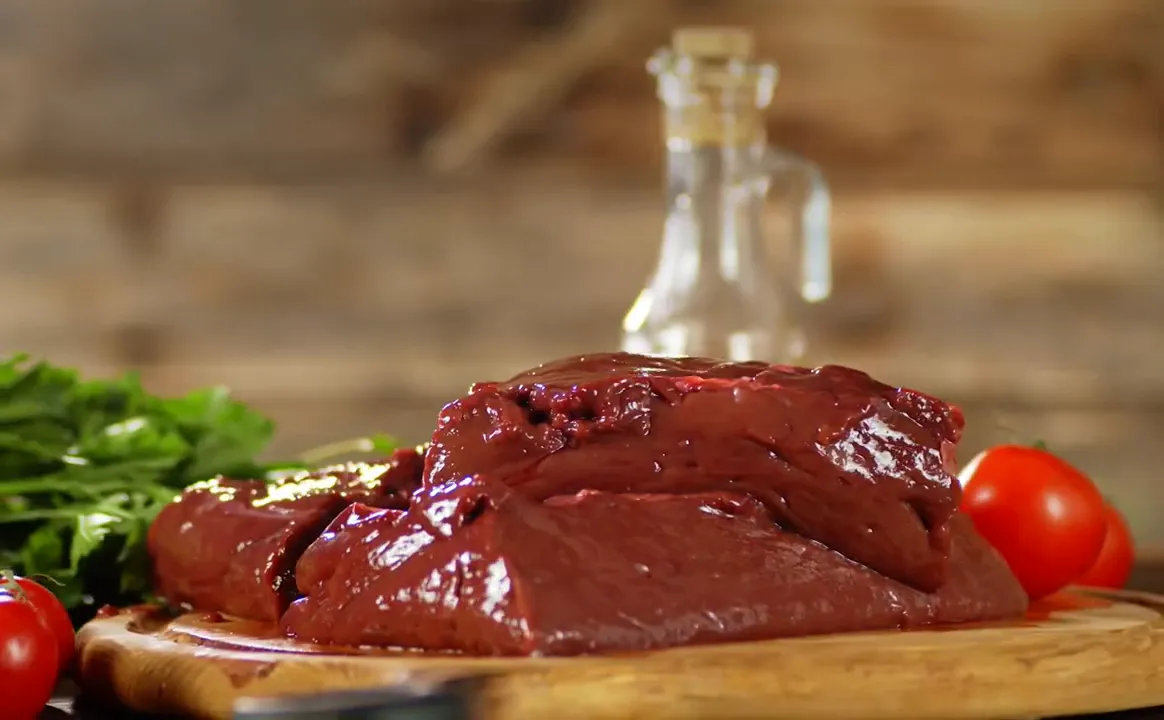
1. Organ Meats, Especially Liver
Liver is nature’s most concentrated source of folate, an essential co-actor for histidine utilization. It’s also rich in vitamin A, iron, and B vitamins—all crucial for cellular regeneration and healthy hair production.
You only need 2 to 3 ounces once or twice a week to reap benefits. If you’re not a fan of liver, high-quality desiccated liver supplements are a viable alternative. Traditional cultures have long revered organ meats for their nutrient density, and modern science confirms their role in enhancing hair, skin, and overall vitality.
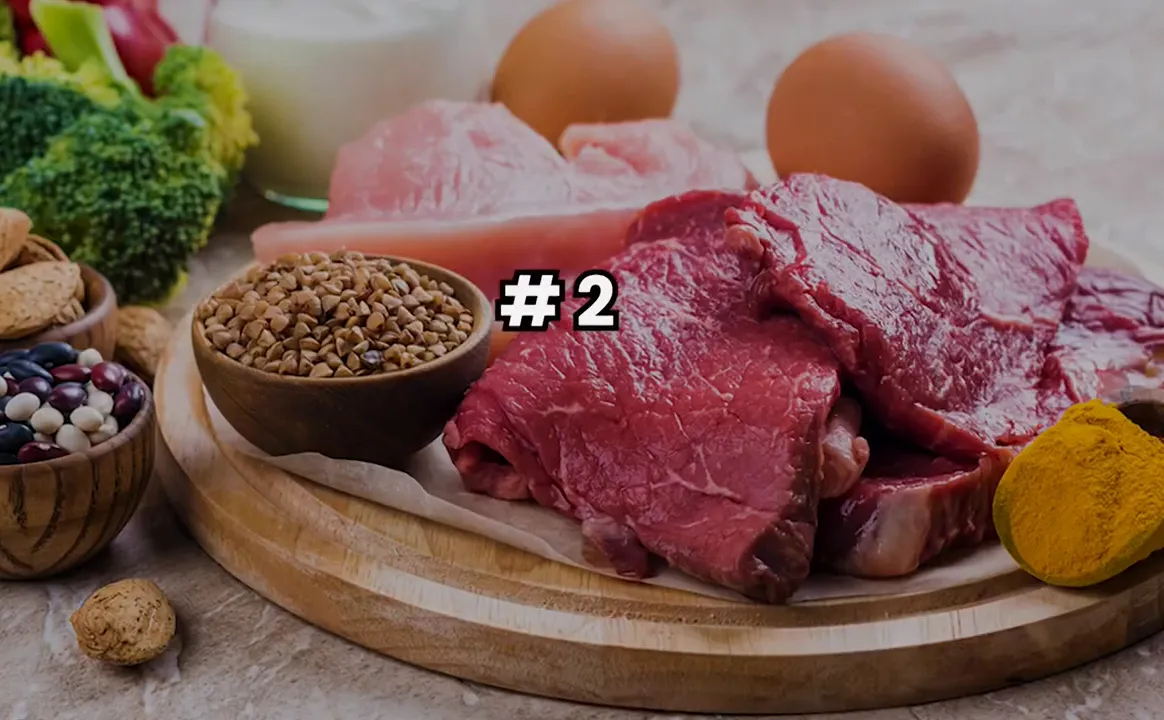
2. Quality Animal Protein
Grass-fed beef, wild-caught fish, and pasture-raised poultry provide a complete amino acid profile, including histidine and leucine. They also supply sulfur-containing amino acids essential for keratin synthesis.
Choosing high-quality, hormone-free animal proteins is critical, as conventionally raised animals often have additives that disrupt cellular function. Providing your body with clean, nutrient-rich protein sources gives your hair the building blocks for strength and resilience.
3. Shellfish
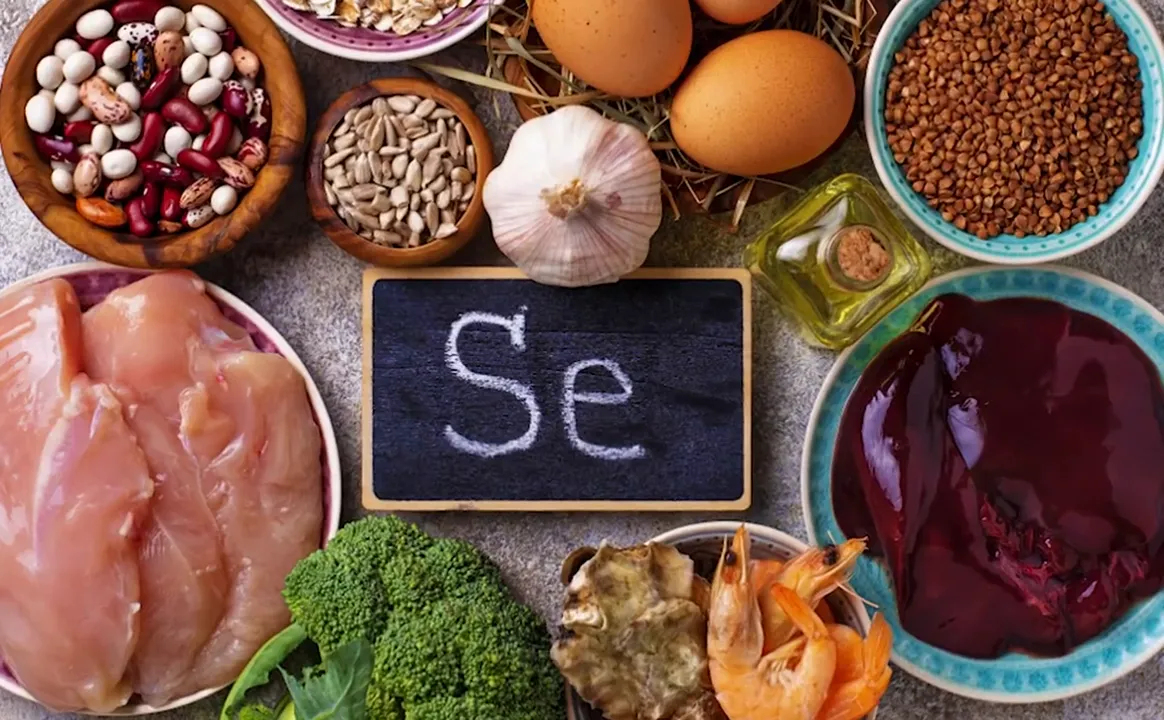
Shrimp, scallops, crab, and lobster offer the ideal zinc-to-copper ratio that hair follicles require. They are also rich in selenium and other trace minerals that support cellular health.
Just two servings of shellfish per week can significantly improve hair thickness and shine. Shellfish are true superfoods for hair, delivering a broad spectrum of nutrients often missing from modern diets.
Why a Cellular Regeneration Approach Is Revolutionary
Your hair follicles contain some of the fastest-dividing cells in the body, demanding high energy and nutrient support. When cellular function falters due to deficiency or toxicity, hair production is one of the first processes to suffer.
There is only one disease at the root of this—cellular malfunction—caused by deficiency and toxicity. To restore hair health, these must be addressed simultaneously:
- Address deficiencies: Provide your cells with all the necessary raw materials—specific amino acids, vitamins, and minerals—to produce healthy hair.
- Eliminate toxicities: Remove substances that interfere with cellular function, such as problematic compounds in unfermented soy and inflammatory foods.
But the real breakthrough comes from supporting your body’s natural stem cell function. Stem cells are master cells capable of self-renewal and differentiation into various cell types, including those that regenerate hair follicles.
As we age, stem cell activity declines, contributing to hair thinning after 50. However, revolutionary Stem Cell Treatment technology can reactivate your body’s own stem cell production without drugs, injections, or invasive procedures. This method signals your body to elevate a peptide called GHK-CU, which research shows activates stem cells and supports tissue regeneration.
Optimally functioning stem cells can revitalize dormant hair follicles and strengthen existing ones, accelerating hair regrowth from the cellular level up.
A Practical 90-Day Plan to Regrow Thicker Hair
To harness the power of cellular regeneration and stem cell technology, here’s a practical, phased 90-day plan:
Days 1–30: Foundation Phase
- Eliminate unfermented soy products—check labels meticulously.
- Introduce small amounts of organ meats (2–3 ounces of liver once weekly).
- Increase intake of quality animal protein (grass-fed beef, wild fish, pasture-raised poultry).
- Add shellfish twice weekly.
- Support digestion with digestive enzymes or apple cider vinegar before meals.
Days 31–60: Cellular Optimization Phase
- Continue foundation phase nutrition.
- Add specific hair-supporting nutrients: biotin, silica, and omega-3 fatty acids.
- Implement stress reduction techniques—stress severely impacts cellular function.
- Optimize sleep quality—cells regenerate most actively during deep sleep.
- Consider intermittent fasting (avoid prolonged fasting to prevent temporary hair shedding).
Days 61–90: Regeneration Acceleration Phase
- Maintain optimized nutrition.
- Support natural stem cell function with Stem Cell Treatment technology.
- Add hair-supporting herbs like saw palmetto and horsetail.
- Incorporate scalp massage to increase blood flow to follicles.
- Track progress with monthly photos in consistent lighting.
Hair grows about half an inch per month, so visible results take time. Many report less shedding within 30 days and noticeable new growth between 60 and 90 days.
Additional Benefits Beyond Hair
This cellular approach doesn’t only enhance hair health—it supports overall cellular vitality. Many people experience improved skin quality, stronger nails, increased energy, and better cognitive function as added benefits.
Frequently Asked Questions (FAQ)
What if I’m vegetarian or vegan?
Plant-based diets require strategic planning to ensure adequate intake of hair-supporting nutrients. Focus on complete plant proteins like quinoa, buckwheat, and hemp seeds. Consume fermented soy products such as tempeh and miso instead of unfermented soy. Supplement with vitamin B12, zinc, and iron, and consider algae-based omega-3 supplements. Vegetarians who consume eggs can benefit from their high-quality protein content.
Does blood type affect this approach?
Yes. Different blood types have varying digestive capabilities and nutrient needs. Eating according to your blood type can optimize nutrient absorption and reduce inflammation, enhancing hair health results.
Are supplements necessary?
Whole foods should be your foundation, but strategic supplementation can help, especially for:
- Biotin (supports keratin production)
- Silica (strengthens hair structure)
- Vitamin D (most people over 50 are deficient)
- Omega-3 fatty acids (reduce scalp inflammation)
Can this help with hormone-related hair loss?
Yes. Hormonal imbalances during menopause or andropause contribute to hair loss. The cellular approach addresses underlying dysfunction that makes hair follicles vulnerable to hormonal fluctuations, helping to mitigate hair thinning.
How does stem cell technology complement nutrition?
Think of nutrition as providing the raw materials needed for hair growth, while stem cell technology acts as the construction crew activating your body’s natural regeneration processes. Together, they create an optimal environment for hair follicles to thrive.
Key Takeaways for Thriving Hair Health
- Focus on histidine and leucine-rich foods like quality animal proteins.
- Include organ meats for folate and shellfish for ideal zinc-copper balance.
- Avoid unfermented soy products that disrupt hormones and block nutrient absorption.
- Support your body’s natural stem cell function with revolutionary Stem Cell Treatment technology to accelerate hair regeneration.
- Adopt a holistic approach that works with your body’s innate intelligence rather than against it.
When you provide your cells with what they need and remove what harms them, your body naturally moves toward optimal function and hair regeneration.

Discover More About Hair Health and Stem Cell Treatment
If you found this information valuable and are ready to take control of your hair health with a scientifically-backed cellular approach, we invite you to request our Free Ebook on how Stem Cell Treatment can help you overcome health and wellness challenges beyond hair loss. This comprehensive guide dives deeper into stem cell technology and practical strategies to rejuvenate your body from the inside out.
Join thousands who have transformed their hair and overall vitality naturally. Your journey to thicker, healthier hair starts with understanding and nurturing your cellular health.
Ready to learn more? Comment “Free Book” below or contact us to get your copy today!
Stem Cell Therapy Technology
Reboot Your Health with Stem Cell Technology.
Experience the transformative benefits of stem cell activation.
Request our Free Ebook to learn more about Stem Cell Technology and how it can change your life and the lives of your loved ones for the Better no matter what your current health and wellness challenge is.
This article was created from the video Hair Growth Tips – Is This Popular Food Making Your Hair Fall Out? with the help of my AI Assistant.