Welcome to a groundbreaking exploration of Stem Cell Treatment and its transformative impact on health and wellness. In this comprehensive article, we delve into a revolutionary new understanding of disease—one that challenges everything we’ve been taught and offers hope for millions suffering from chronic conditions worldwide.
This journey is inspired by visionary insights from Raymond Francis, an MIT-trained scientist whose life-changing experience and pioneering theory have ignited a paradigm shift in medicine. We’ll uncover how his “One Disease Theory” reframes disease as cellular malfunction caused by deficiency and toxicity, and why this matters deeply for the future of health. Plus, we’ll explore how advanced Stem Cell Treatment technology, including innovative stem cell patches, is already changing lives today.
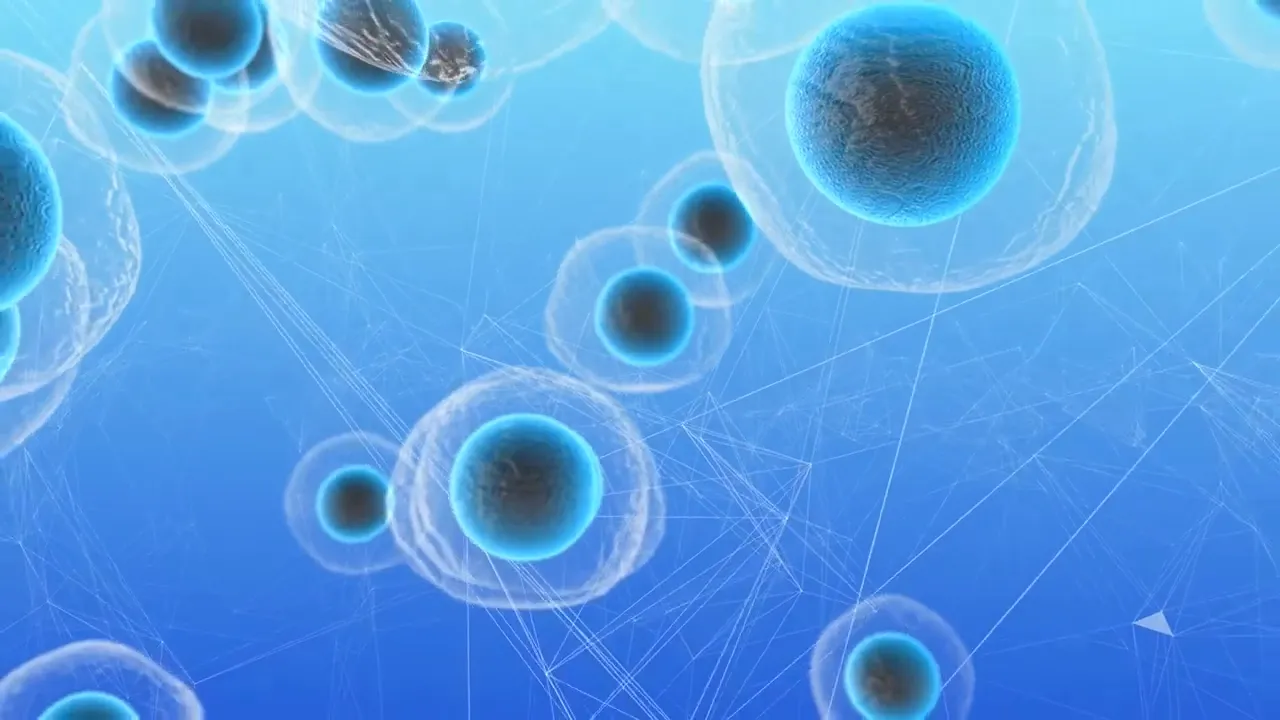
Table of Contents
- The Traditional Medical Model: Why It’s Time for a Change
- The One Disease Theory: Cellular Malfunction at the Root of All Illness
- Raymond Francis’s Remarkable Recovery and Health Model
- The Science Behind Cellular Malfunction and Disease
- Why Conventional Medicine Hasn’t Adopted This Model Yet
- Stem Cell Treatment: The Future of Regenerative Medicine
- Practical Steps to Optimize Your Cellular Health Today
- Frequently Asked Questions (FAQ)
- Conclusion: Embracing the Future of Health with Stem Cell Treatment
The Traditional Medical Model: Why It’s Time for a Change
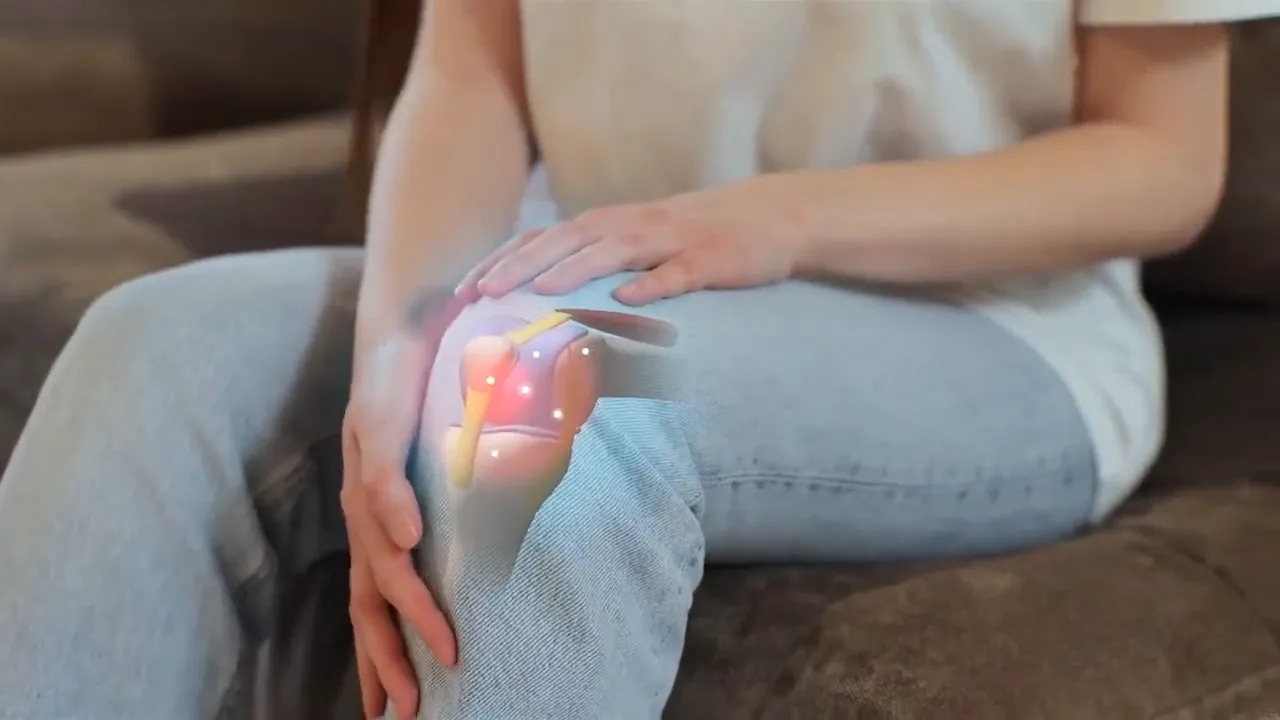
For centuries, modern medicine has categorized diseases based on symptoms. If you have a rash, you might be diagnosed with dermatitis. Trouble breathing? Asthma. Joint pain? Arthritis. Each symptom gets its own label and treatment plan. But this symptom-based model is like trying to fix a car by just renaming the warning lights without ever opening the hood to check the engine.
Imagine walking into a doctor’s office with chronic fatigue and being diagnosed with an autoimmune condition. Meanwhile, down the hall, someone with joint pain is diagnosed with arthritis, and another person with breathing difficulties is labeled with COPD. Three different diagnoses, three different treatments—but what if all these conditions stem from the same fundamental problem?
This symptom-focused approach has dominated medical education and practice since the dawn of modern medicine, but it might be one of the reasons chronic diseases keep rising despite medical advances and trillions spent on healthcare worldwide.
The One Disease Theory: Cellular Malfunction at the Root of All Illness
Enter Raymond Francis, a scientist who faced a dire health crisis himself. At 48, Francis was on the brink of death, with a failing liver and collapsing immune system. Conventional medicine had no answers and told him to “get his affairs in order.” But instead of accepting this, Francis used his scientific training to investigate the root cause of his illness.
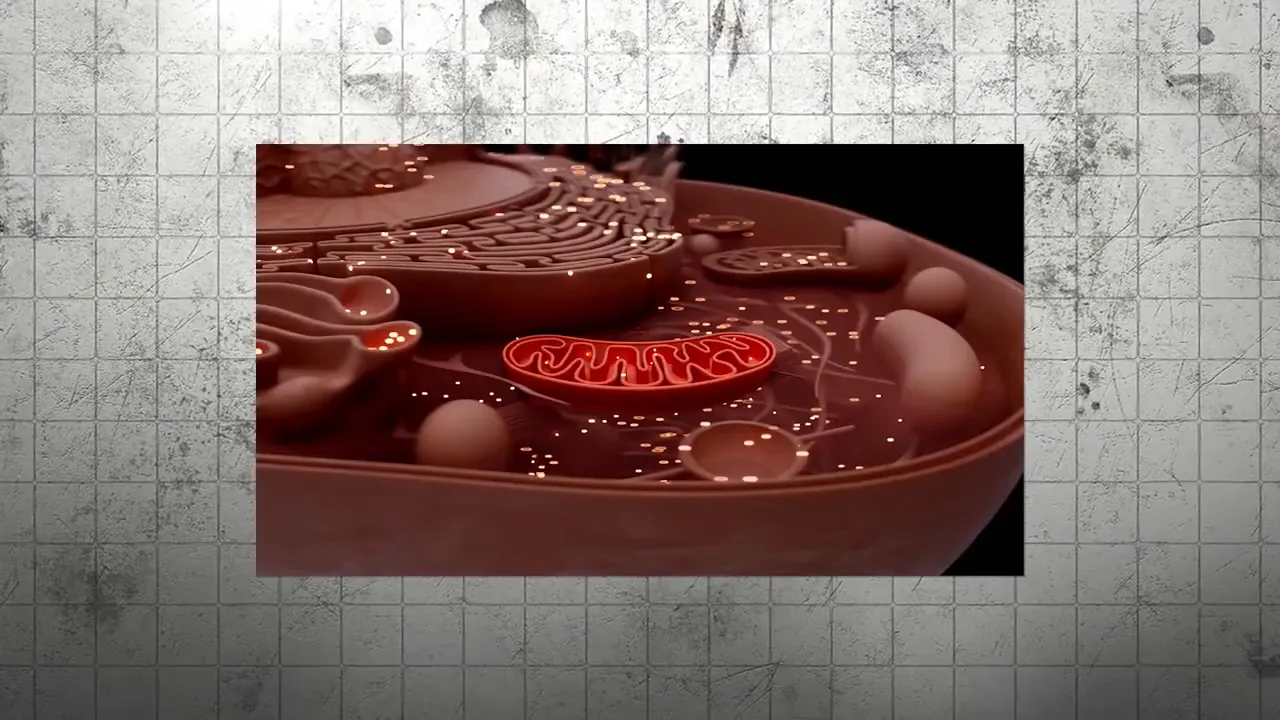
He discovered that the true disease was not a collection of separate illnesses but one single disease: cellular malfunction. According to Francis, every health condition—from the common cold to cancer—originates from cells that aren’t functioning properly. And this cellular malfunction has only two causes: deficiency and toxicity.
In other words, the trillions of cells that make up our bodies must perform their roles harmoniously. When they don’t, we experience disease. It’s like an orchestra with some musicians playing out of tune, throwing the entire symphony off balance.
The Six Pathways to Cellular Health
Francis identified six critical pathways that determine whether our cells function optimally or break down:
- Nutrition
- Toxin Exposure
- Psychological Factors
- Physical Activity
- Genetics
- Medical Interventions
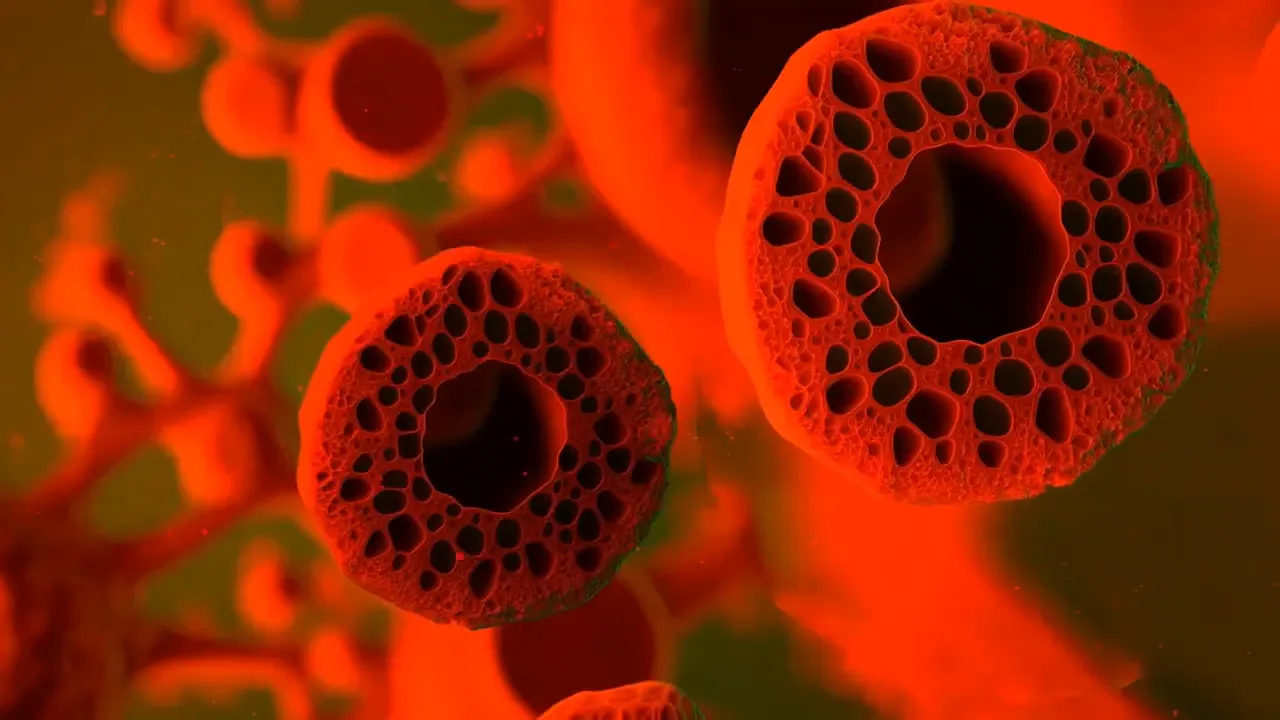
Each pathway interacts with the others to influence cellular health. Deficiencies in nutrients or exposure to toxins disrupt cellular function. Psychological stress triggers inflammatory responses at the cellular level. Physical inactivity weakens cell repair mechanisms. Genetics may predispose cells to malfunction, and medical interventions, while lifesaving in emergencies, can sometimes harm cells if misapplied.
Raymond Francis’s Remarkable Recovery and Health Model
Against medical advice, Francis checked himself out of the hospital and began to focus on healing his cells. He provided his body with essential nutrients and removed toxins. Within months, his liver function improved, his energy returned, and six months later, he was fully recovered.
This personal transformation led Francis to develop a revolutionary health model centered on optimizing cellular function. His experience is proof that many chronic diseases deemed incurable may actually be reversible when you address the root cause—cellular malfunction.
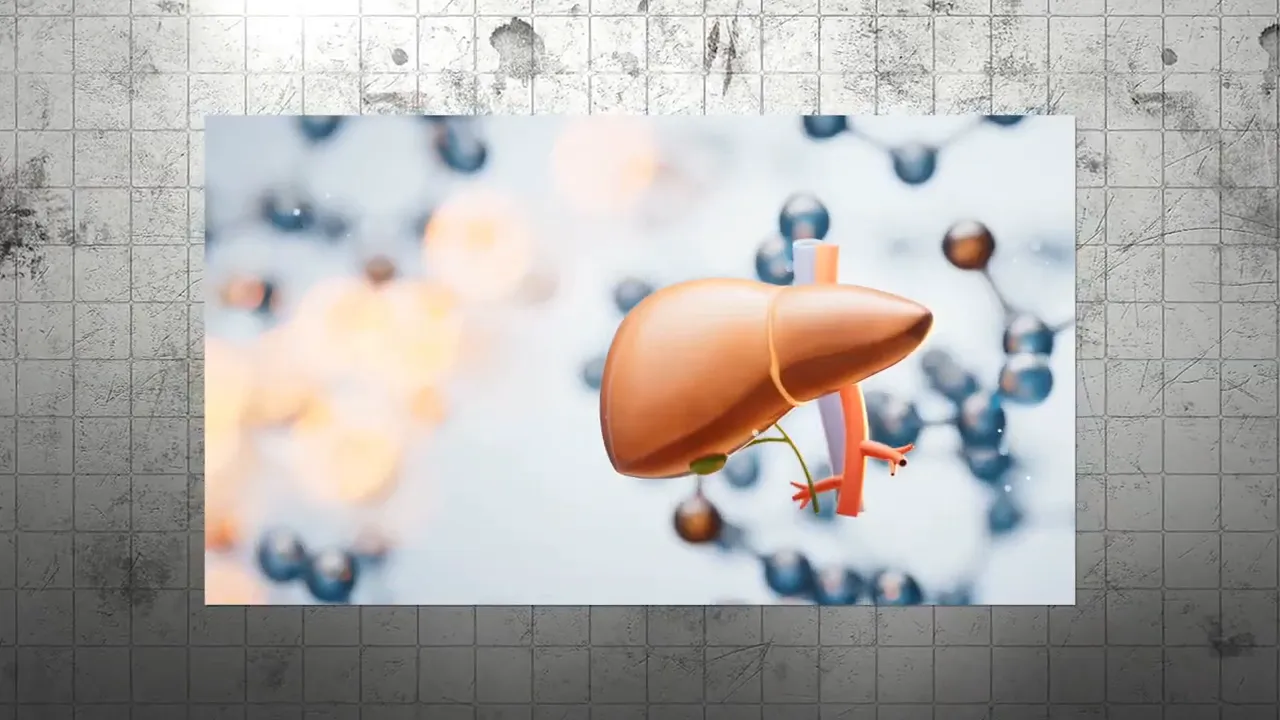
The Science Behind Cellular Malfunction and Disease
The concept that disease begins at the cellular level is not new to medicine. Every medical student learns that when cells fail to produce energy, remove waste, repair damage, or communicate effectively, the body’s systems suffer. But what Francis’s theory adds is a unifying framework: all diseases are manifestations of the same root problem.
Deficiency and Toxicity: The Two Causes of Cellular Malfunction
Deficiency can mean a lack of essential vitamins, minerals, or other nutrients necessary for cell function. Classic examples include scurvy from vitamin C deficiency, pellagra from niacin deficiency, and rickets from vitamin D deficiency. More subtle deficiencies contribute to chronic conditions like heart disease, cancer, and diabetes.
Toxicity refers to the accumulation of harmful substances such as heavy metals, pesticides, air pollution, and even certain medications that disrupt cell function. For instance, endocrine-disrupting chemicals found in plastics, cosmetics, and cleaning products interfere with hormone signaling, leading to fertility issues, neurological disorders, and other health problems.

Psychological Stress: An Overlooked Cellular Culprit
Psychological factors like chronic stress, trauma, and negative emotions directly influence cellular health through hormones and neurotransmitters. Research in psychoneuroimmunology shows how prolonged stress triggers inflammatory cascades that affect every system in the body, causing cellular dysfunction and chronic disease.
Genetics and Medical Interventions
While genetics play a role in predisposition, they are not destiny. Environmental and lifestyle factors largely determine whether genetic vulnerabilities manifest as disease. Medical interventions, including medications and surgeries, are essential in many cases but can also contribute to toxicity or cellular stress if not carefully managed.
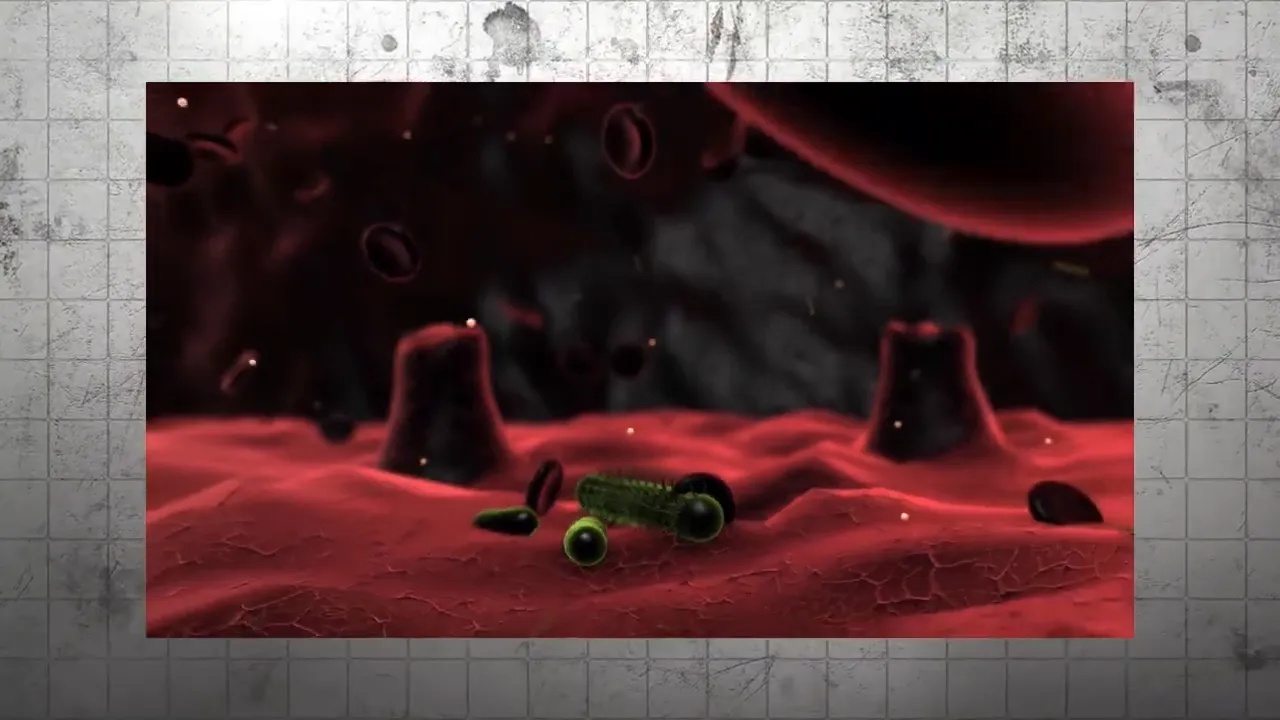
Why Conventional Medicine Hasn’t Adopted This Model Yet
Given the robust science behind cellular malfunction as the root of disease, why hasn’t this approach become mainstream? The reasons are complex and include:
- Medical Education: Doctors receive minimal training in nutrition and prevention, focusing instead on diagnosing specific diseases and prescribing medications.
- Pharmaceutical Influence: The pharmaceutical industry funds much of medical research and education. There is little financial incentive to promote approaches that might reduce medication use.
- Paradigm Inertia: Changing established medical paradigms is notoriously difficult. It took decades for doctors to accept that ulcers could be caused by bacteria rather than stress.
Despite these challenges, more doctors and researchers are beginning to recognize the limitations of the symptom-based model and the critical importance of cellular health.
Stem Cell Treatment: The Future of Regenerative Medicine
One of the most exciting frontiers in addressing cellular malfunction is Stem Cell Treatment. Stem cells have the unique ability to develop into different cell types and promote tissue regeneration, making them powerful tools for restoring cellular function and reversing damage.
In 2025, innovative stem cell technology patches are emerging as a non-invasive, accessible way to deliver these regenerative cells directly to damaged tissues. These patches harness the body’s own healing potential, supporting recovery from conditions once thought irreversible.
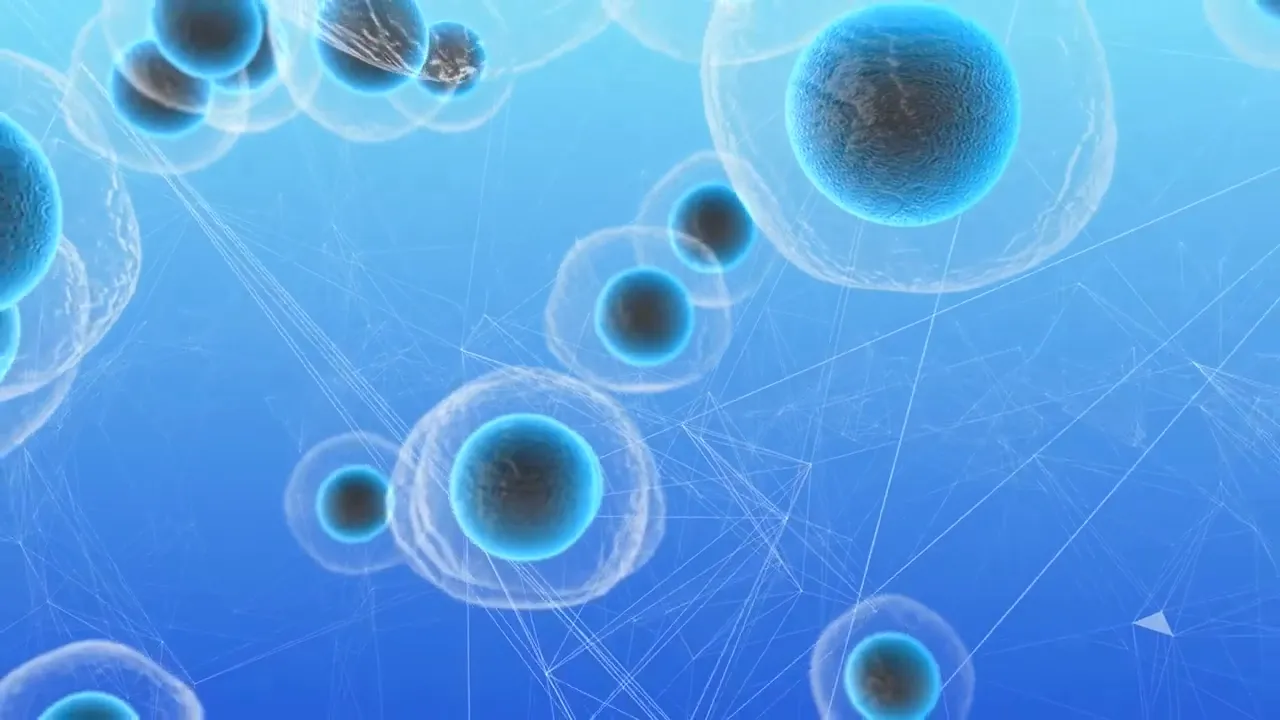
How Stem Cell Technology Works
Stem cell patches contain live stem cells or stem cell-derived factors that stimulate repair and regeneration in targeted areas. When applied to the skin, the patch releases these cells or signals that encourage the body to replace damaged cells, reduce inflammation, and restore optimal function.
This approach aligns perfectly with the One Disease Theory by addressing cellular malfunction directly and promoting holistic healing through the six pathways.
Real-Life Impact
Countless people have reported remarkable recoveries using stem cell treatments, especially when combined with lifestyle changes that optimize nutrition, reduce toxin exposure, manage stress, and enhance physical activity. These stories highlight the potential for true healing beyond symptom management.

Practical Steps to Optimize Your Cellular Health Today
While advanced stem cell treatments are rapidly evolving, there are actionable steps you can take right now to support your cellular health and reduce the risk of chronic disease:
- Improve Nutrition: Eat a balanced diet rich in vitamins, minerals, antioxidants, and essential fatty acids. Consider supplements if necessary, especially for nutrients commonly deficient in modern diets.
- Reduce Toxin Exposure: Minimize contact with environmental toxins by choosing organic foods, using natural cleaning products, avoiding plastics, and filtering your water.
- Manage Stress: Practice mindfulness, meditation, or other stress-reduction techniques to lower inflammation and support immune function.
- Stay Physically Active: Regular exercise promotes cellular repair, circulation, and metabolic health.
- Understand Your Genetics: Use genetic testing to identify predispositions and tailor your lifestyle accordingly.
- Be Informed About Medical Interventions: Work with healthcare providers who understand and respect the importance of cellular health and integrative approaches.
By focusing on these six pathways, you can nurture your cells and unlock your body’s innate healing potential.
Frequently Asked Questions (FAQ)
What is the One Disease Theory?
The One Disease Theory proposes that all diseases stem from the same root cause: cellular malfunction. This malfunction is caused by two main factors—nutritional deficiency and toxicity—which disrupt the normal function of the trillions of cells in our bodies.
How does Stem Cell Treatment help with cellular malfunction?
Stem Cell Treatment promotes regeneration and repair of damaged cells and tissues. By restoring healthy cellular function, stem cell therapies can reverse damage caused by deficiency and toxicity, supporting recovery from chronic diseases.
Are chronic diseases really reversible?
Many chronic diseases are manifestations of underlying cellular malfunction. By addressing the root causes—improving nutrition, reducing toxins, managing stress, and using regenerative therapies like stem cells—there is significant potential for reversal and healing.
Why isn’t this approach widely taught or practiced?
Medical education traditionally focuses on symptom management and pharmaceutical treatments. Changing this paradigm faces challenges including entrenched medical practices, pharmaceutical industry influence, and slow adoption of new scientific insights.
How can I learn more about optimizing my cellular health?
There are growing resources, including books, courses, and healthcare providers specializing in integrative and regenerative medicine. We also offer a free Ebook that dives deeper into how Stem Cell Technology can help you fix health and wellness challenges. Request your free copy today to start your journey toward true healing.
Conclusion: Embracing the Future of Health with Stem Cell Treatment
The revolutionary perspective that there is only one disease—cellular malfunction caused by deficiency and toxicity—offers a unifying framework for understanding health. It challenges the symptom-based medical model that has dominated for over a century and opens the door to transformative healing.
Raymond Francis’s story exemplifies the power of addressing the root causes of disease rather than merely managing symptoms. His journey from near death to vibrant health was made possible by focusing on cellular health, a principle now supported by scientific evidence and clinical experience.
As regenerative medicine advances, Stem Cell Treatment stands at the forefront of this health revolution. Stem cell technology patches and other innovative therapies are already changing lives by repairing damaged tissues and restoring optimal cellular function.
Your body has an incredible capacity for self-healing when given the right conditions. By understanding disease as cellular malfunction and taking steps to optimize the six pathways—nutrition, toxins, psychological health, physical activity, genetics, and medical care—you can unlock this innate potential.
We invite you to embrace this new lens of cellular health, explore the exciting possibilities of stem cell technology, and take charge of your healing journey. For those ready to dive deeper, don’t forget to request our free Ebook about how Stem Cell Technology can help fix any health and wellness challenge you face.
What health challenges are you facing today? How might they look different when viewed through the lens of cellular health? Share your thoughts and experiences, and join us as we continue to explore this transformative path to true healing.
Stem Cell Therapy Technology
Reboot Your Health with Stem Cell Technology.
Experience the transformative benefits of stem cell activation.
Request our Free Ebook to learn more about Stem Cell Technology and how it can change your life and the lives of your loved ones for the Better no matter what your current health and wellness challenge is.
This article was created from the video How Stem Cells Are Changing Lives Right Now! With Technology with the help of my AI Assistant.