What if everything you thought you knew about disease was fundamentally wrong? What if the entire medical establishment has been looking at health backward for over a century? This is not just a provocative question—it’s a revolutionary new understanding that could forever change how we approach chronic illness, healing, and wellness.
In this article, inspired by the groundbreaking insights of Raymond Francis, an MIT-trained scientist, we will explore a paradigm shift in medicine that challenges the traditional symptom-based model of disease. Instead of viewing illnesses as separate conditions, this new model reveals a singular root cause: cellular malfunction. And the key to healing lies in understanding and optimizing cellular health through innovative approaches—including the promise of Stem Cell Treatment.
Table of Contents
- The Problem with How We Currently Understand Disease
- Introducing the One Disease Theory: Cellular Malfunction
- Raymond Francis’s Remarkable Journey: From Death’s Door to Vibrant Health
- The Science Behind Cellular Malfunction: Why It Makes Sense
- Why Isn’t the One Disease Model Mainstream?
- Optimizing Cellular Health: The Path to Healing
- Why You Should Rethink Your Health Through the Cellular Lens
- Take Action: Optimize Your Cellular Health Today
- Frequently Asked Questions About Cellular Health and Stem Cell Treatment
- Conclusion: Embrace the Future of Health—Starting with Your Cells
The Problem with How We Currently Understand Disease
Imagine walking into a doctor’s office with chronic fatigue. After tests, you’re diagnosed with an autoimmune condition. Meanwhile, down the hall, someone with joint pain is labeled with arthritis, and another person struggling to breathe is told they have COPD. Three individuals, three different diagnoses, and three separate treatment plans. Yet, what if all these conditions stemmed from the exact same underlying problem?
For centuries, medicine has classified diseases based on symptoms—rash means dermatitis, trouble breathing means asthma, joint pain means arthritis. This symptom-based model has dominated medical education and practice since the dawn of modern medicine. It’s like owning a car that won’t start but only diagnosing the issue by which dashboard light blinks, rather than opening the hood to check the engine.
This approach has significant limitations. Despite trillions spent on healthcare and advanced medical technology, chronic diseases like cancer, heart disease, diabetes, and autoimmune disorders continue to rise exponentially. Why? Because treating symptoms doesn’t address the root cause.

Introducing the One Disease Theory: Cellular Malfunction
Enter Raymond Francis. After battling a mysterious and ultimately life-threatening illness, Francis developed a theory so elegant and profound it challenges the very foundation of modern medicine. According to Francis, there is only one disease—cellular malfunction—and it has only two causes: deficiency and toxicity.
Think about that. Every health condition you’ve ever heard of, from the common cold to cancer, stems from the same root issue: your cells aren’t functioning properly. Our bodies contain trillions of cells, and for us to be healthy, these cells must perform their roles harmoniously, like musicians playing in tune within an orchestra. When cells malfunction, disease manifests.

The Six Pathways That Control Cellular Health
Francis identified six key pathways that determine whether our cells function optimally or break down:
- Nutrition: The essential nutrients our cells require to produce energy, repair damage, and maintain function.
- Toxin Exposure: Harmful substances from the environment, medications, or lifestyle that disrupt cellular processes.
- Psychological Factors: Stress, trauma, and emotional well-being affect cellular health through hormonal and neurotransmitter pathways.
- Physical Activity: Movement and exercise influence cellular metabolism and resilience.
- Genetics: Our inherited traits can predispose cells to dysfunction if other pathways are compromised.
- Medical Interventions: Treatments, medications, and surgeries that can either support or harm cellular health.
This framework is not just theoretical—it saved Francis’s life when conventional medicine had given up on him.
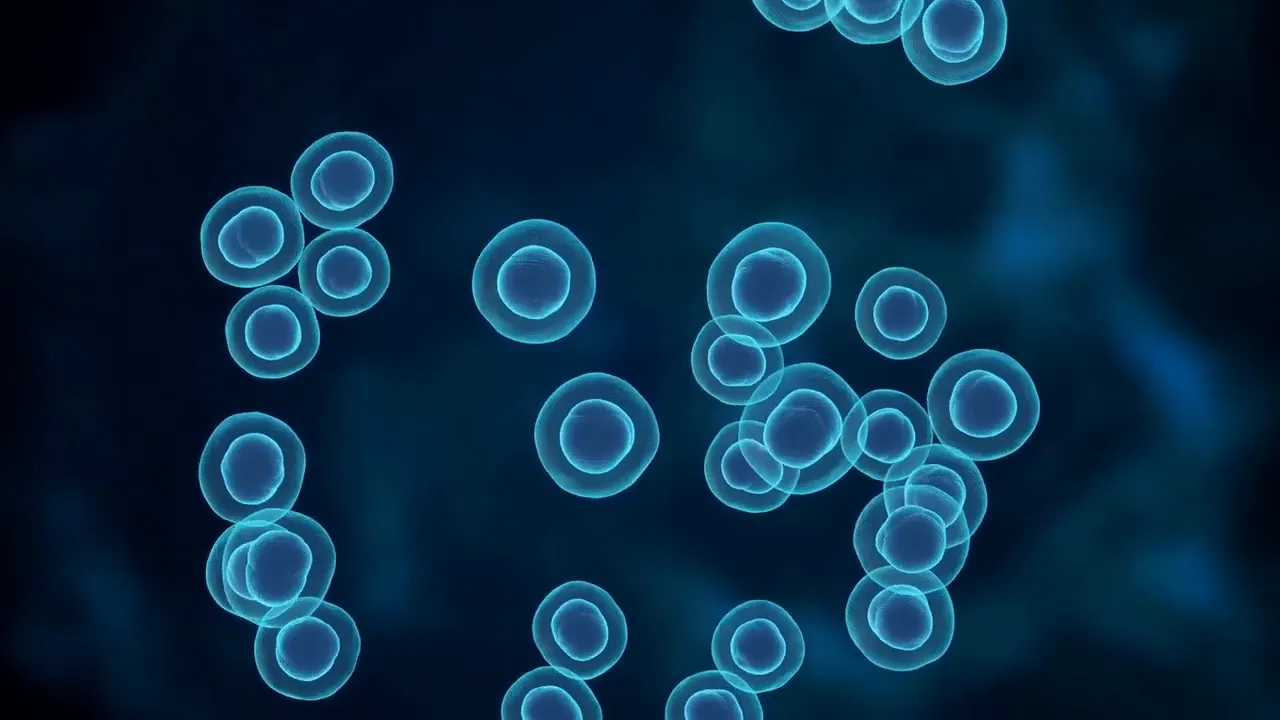
Raymond Francis’s Remarkable Journey: From Death’s Door to Vibrant Health
In 1985, at age 48, Raymond Francis was dying. After consulting over 30 doctors for a mysterious illness, his liver was failing, his immune system collapsing, and he could barely walk across a room. The best medical minds had no answers. One doctor told him bluntly, “There’s nothing more we can do. Get your affairs in order.”
Lying in a hospital bed, barely able to think through the brain fog, Francis had a moment of clarity. As a scientist, he realized disease doesn’t happen randomly—there must be causes, and therefore, solutions. With what little strength he had, he began researching his condition.
He discovered his liver damage was caused by prescription medication toxicity. His cells were malfunctioning due to nutrient deficiencies and toxic overload. Defying medical advice, he checked himself out of the hospital and committed to a radical approach: he focused on giving his cells exactly what they needed and removing everything harmful.
Within months, his liver function normalized, his energy returned, and six months later, he was back to full health. This experience transformed Francis from a scientist into a health revolutionary.

The Science Behind Cellular Malfunction: Why It Makes Sense
Cellular malfunction as the root disease isn’t as radical as it sounds. Every medical student learns that disease begins at the cellular level. When cells fail to perform essential functions—producing energy, removing waste, repairing damage, or communicating—problems arise.
Take the immune system, for example. It’s a complex network of cells working to protect you. When immune cells malfunction due to deficiency or toxicity, your immune response can become too weak, leaving you vulnerable to infections, or too aggressive, causing autoimmune diseases.
Allergies are a classic example: immune cells mistakenly overreact to harmless substances like pollen or food proteins. This is cellular malfunction, not a separate disease.
Research backs up the two causes Francis identified:
- Deficiency: Nutritional deficiencies have long been known to cause diseases such as scurvy (vitamin C), pellagra (niacin), and rickets (vitamin D). More subtle deficiencies can contribute to chronic illnesses like heart disease, cancer, and diabetes.
- Toxicity: Environmental toxins, heavy metals, pesticides, and air pollution disrupt cellular function. Even some medications, intended to help, can harm cells.
Aligning with Modern Health Determinants
Francis’s six pathways—nutrition, toxin, psychological, physical, genetic, and medical—align with what we now understand about health determinants. Psychological factors, for instance, influence physiology through hormones and neurotransmitters, affecting cellular function.
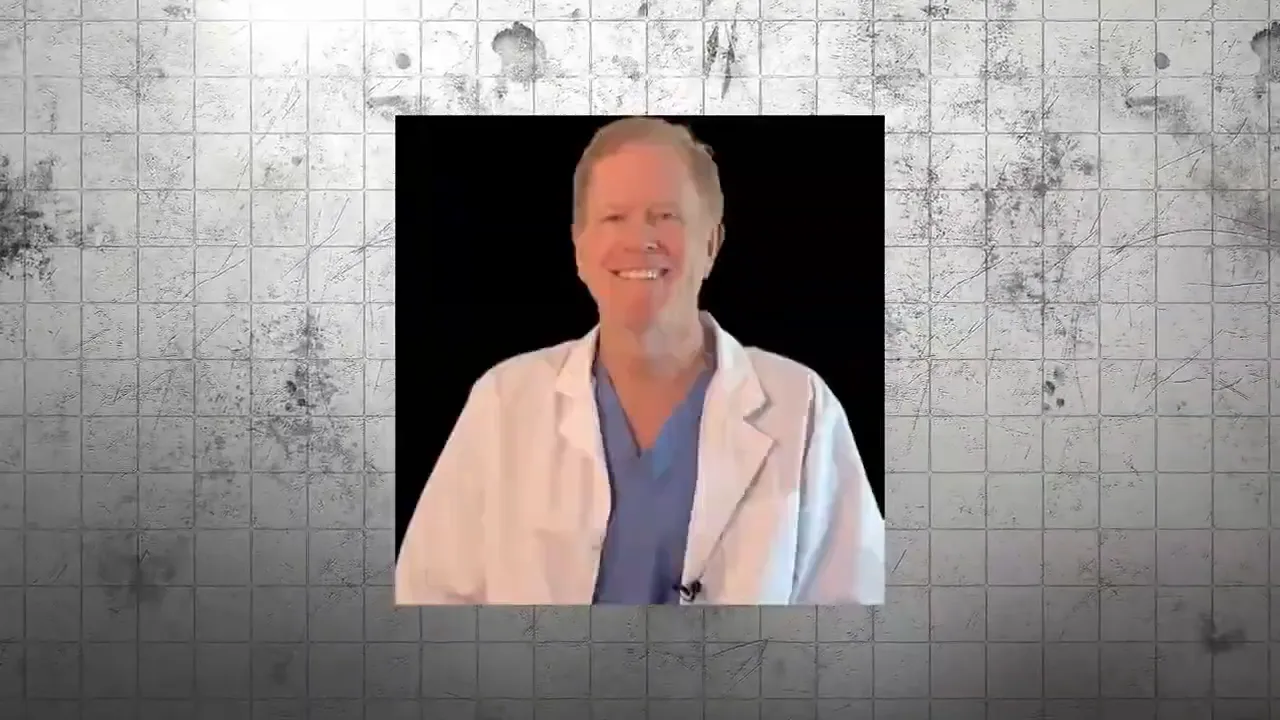
Dr. Robert Lufkin, a UCLA medical school professor, has highlighted how medical education often focuses on treating symptoms instead of root causes. In his book, Lies I Taught in Medical School, Lufkin points out that eight of the top ten causes of death in the U.S. are linked to metabolic syndrome—a condition characterized by cellular dysfunction. This fits perfectly with Francis’s model of one disease manifesting in different ways.
Why Isn’t the One Disease Model Mainstream?
If this approach is so effective, why hasn’t it become the standard in medicine? The reasons are complex and involve:
- Medical Education: Medical schools spend little time on nutrition, prevention, or integrative approaches. The focus remains on diagnosing specific diseases and prescribing medications.
- Pharmaceutical Influence: Pharmaceutical companies fund much medical research and education and have little financial incentive to promote approaches that reduce medication use.
- Resistance to Paradigm Change: Changing established medical paradigms is notoriously difficult. For example, it took decades for doctors to accept that ulcers were caused by bacteria, not stress.
Despite these obstacles, the growing number of people recovering from chronic conditions by focusing on cellular health speaks volumes.

Optimizing Cellular Health: The Path to Healing
If cellular health is the key to preventing and reversing disease, how do we optimize it? This question is at the heart of a new health revolution, one that promises to transform how we understand and treat chronic illness.
In upcoming discussions, we will dive deep into:
- How cellular malfunction manifests as specific diseases like heart disease, diabetes, and cancer.
- Why conventional treatments often fail to address root causes.
- The truth about cholesterol and how inflammation at the cellular level is the real culprit.
- How metabolic dysfunction drives tumor growth and why some cancer treatments may worsen cellular problems.
- The role of gut permeability, nutritional deficiencies, and environmental toxins in autoimmune disease.
- Cutting-edge approaches to restoring cellular health, including the revolutionary potential of Stem Cell Treatment.
Throughout this journey, you’ll hear from real people who have defied conventional medical expectations by applying these principles and achieving remarkable healing.
The Power of Stem Cell Treatment in Cellular Health
Stem Cell Treatment is emerging as a game-changer in restoring cellular function. Stem cells have the unique ability to regenerate damaged tissues and modulate immune responses, offering hope for conditions once thought irreversible.
This innovative technology supports the core idea that healing happens at the cellular level. By replenishing healthy cells and repairing dysfunction, stem cell therapies can address the root cause of many chronic diseases.
As more research validates stem cell treatment, it is becoming an essential component of integrative approaches to health that complement traditional medicine rather than replace it.
Why You Should Rethink Your Health Through the Cellular Lens
Your body has an extraordinary capacity for self-healing when given the right conditions. By understanding disease as cellular malfunction and addressing its true causes—deficiency and toxicity—you can unlock this innate healing potential.
This approach doesn’t reject the value of emergency care, surgery, or certain medications. Instead, it encourages a holistic view that prioritizes prevention, nutrition, detoxification, mental well-being, physical activity, and smart medical interventions.
The challenge is that our current healthcare system isn’t designed to support this model fully. Doctors receive minimal training in nutrition and prevention, insurance often doesn’t cover integrative treatments, and pharmaceutical companies have little incentive to promote solutions that reduce medication use.
But change is underway. More healthcare professionals recognize the limitations of symptom-based treatment, more research supports cellular health, and more patients are taking control of their own healing journeys.

Take Action: Optimize Your Cellular Health Today
Understanding that there’s only one disease—cellular malfunction—opens the door to true healing, not just symptom management. Here are practical steps you can start today to optimize your cellular health:
- Improve Nutrition: Focus on whole, nutrient-dense foods rich in vitamins, minerals, and antioxidants.
- Reduce Toxic Exposure: Avoid environmental toxins, limit processed foods, and be mindful of medication side effects.
- Manage Stress: Incorporate mindfulness, therapy, or relaxation techniques to support psychological health.
- Stay Physically Active: Engage in regular movement that suits your body’s needs and capabilities.
- Understand Your Genetics: Learn about your family health history and work with healthcare providers to tailor your approach.
- Seek Integrative Medical Care: Explore therapies that support cellular health, including cutting-edge options like stem cell treatment.
By addressing these six pathways, you empower your cells to function optimally and reduce the risk of chronic disease.
Frequently Asked Questions About Cellular Health and Stem Cell Treatment
What exactly is cellular malfunction?
Cellular malfunction refers to cells not performing their necessary functions properly. This can include inability to produce energy, remove waste, repair damage, or communicate with other cells. When cells malfunction, it leads to the development of disease symptoms.
How can one disease cause so many different conditions?
Since all diseases originate from cellular dysfunction, the different symptoms and diagnoses we see are just various manifestations of the same underlying problem. Depending on which cells and tissues are affected, the disease appears as diabetes, heart disease, autoimmune conditions, or others.
Is stem cell treatment safe and effective?
Stem cell treatment is a rapidly advancing field with promising results for many chronic diseases. While still developing, it has shown the ability to regenerate damaged tissues and improve cellular function. It should be administered under qualified medical supervision as part of an integrative health plan.
Why doesn’t conventional medicine focus on cellular health?
Traditional medicine is largely symptom-focused due to historical education models, pharmaceutical influence, and the difficulty of shifting well-established paradigms. However, integrative and functional medicine are increasingly incorporating cellular health principles.
Can chronic diseases really be reversed?
Many chronic diseases can be improved or even reversed by addressing the root causes at the cellular level—namely, deficiency and toxicity—through lifestyle changes, nutrition, detoxification, and advanced therapies like stem cell treatment.
How can I learn more about stem cell treatment and cellular health?
There are many resources available, including scientific literature, health professionals specializing in integrative medicine, and educational materials. To get started, we offer a free Ebook that explains how stem cell technology can help fix health and wellness challenges. Request your free copy today to take the first step toward vibrant health.
Conclusion: Embrace the Future of Health—Starting with Your Cells
Raymond Francis’s journey from near death to vibrant health demonstrates the power of viewing disease as cellular malfunction caused by deficiency and toxicity. This revolutionary model unifies all diseases under one cause and highlights six pathways that influence cellular function.
By shifting our focus from merely managing symptoms to optimizing cellular health, we open new possibilities for preventing, reversing, and healing chronic diseases. Stem cell treatment stands at the forefront of this health revolution, offering hope for conditions once deemed incurable.
Your body has an incredible capacity to heal when given the right conditions. The question is, are you ready to look at your health through the lens of cellular function and unlock the potential for true healing?
Join the movement. Request your free Ebook on how Stem Cell Treatment can help you fix any health and wellness challenge. Start your journey to better health today.
Stem Cell Therapy Technology
Reboot Your Health with Stem Cell Technology.
Experience the transformative benefits of stem cell activation.
Request our Free Ebook to learn more about Stem Cell Technology and how it can change your life and the lives of your loved ones for the Better no matter what your current health and wellness challenge is.

This article was created from the video Disease: Doctors Might Be Missing This About Your Health! with the help of my AI Assistant.